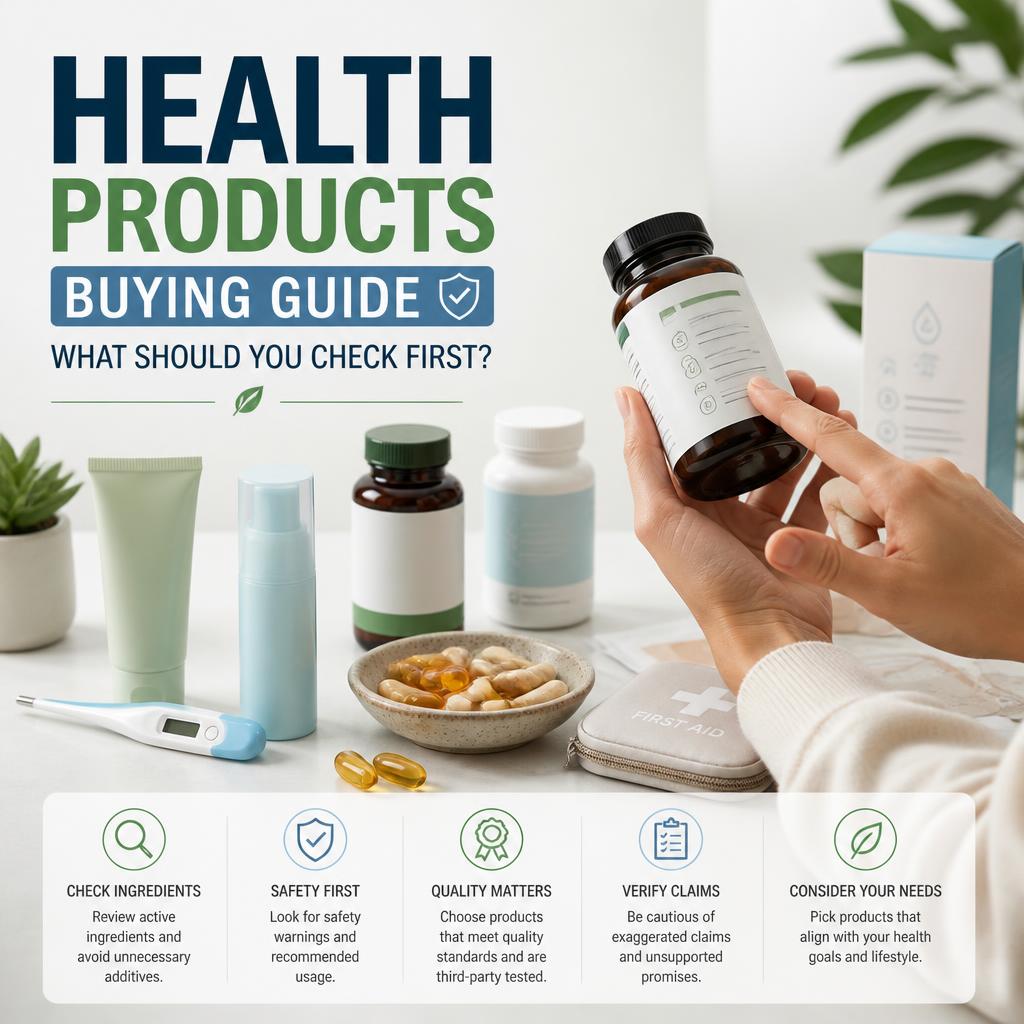
aptekamedpl.com – Health Products Buying Guide: What Should You Check First? is a question worth asking before you put any supplement, wellness device, skincare formula, or over-the-counter health item into your shopping cart. Health products often come with impressive packaging and confident promises, but a smart purchase should start with something more practical: understanding what the product contains, who made it, why you need it, and whether the claims actually make sense.
With countless options available in pharmacies, supermarkets, specialty stores, and online marketplaces, choosing well can feel surprisingly complicated. The good news is that you do not need to be a doctor or scientist to become a more careful shopper. A few simple checks can help you separate useful information from clever marketing.
Why Choosing Health Products Carefully Really Matters
Health products are different from ordinary household purchases because they may directly interact with your body. Supplements, topical products, personal care items, and wellness devices can contain ingredients or materials that may not suit everyone.
That is why checking a product before buying is more than a money-saving habit. It is part of making an informed health decision. The goal is not to become suspicious of every label, but to know what deserves your attention.
For example, two products may appear nearly identical from the front of the package while having very different ingredient concentrations, directions, warnings, or intended uses.
Start by Asking What You Actually Need
Before comparing brands, ask yourself one basic question: What problem am I trying to solve?
Perhaps you want a daily vitamin, a moisturizer for dry skin, a digital thermometer, or an electrolyte product for exercise. Knowing your purpose makes it much easier to ignore unnecessary features and exaggerated promises.
Shopping without a clear goal can lead to buying products simply because words such as “premium,” “advanced,” “natural,” or “professional” sound convincing.
Who Is the Product Intended For?
Age, lifestyle, dietary habits, pregnancy status, medication use, allergies, and individual health circumstances can influence whether a particular item is appropriate.
A supplement marketed toward active adults, for instance, may have a completely different formulation from one intended for children or older adults. Always check the intended user rather than assuming that every general wellness product works the same way for everyone.
Read the Ingredient List Before the Marketing Claims
The front label is designed to attract attention. The ingredient panel is where the useful details usually begin.
Look at both active ingredients and other components used in the formulation. Depending on the product, these may include preservatives, sweeteners, fragrances, coloring agents, fillers, or stabilizers.
Scientific names can look intimidating, but unfamiliar does not automatically mean unsafe. Ingredients may use standardized chemical or botanical terminology, such as ascorbic acid for vitamin C or tocopherol compounds associated with vitamin E.
Pay Attention to Ingredient Amounts
Knowing that an ingredient exists in a product is only half the story. Its amount can matter just as much.
For supplements, review the serving size and quantity per serving. Taking two capsules may provide a very different amount than taking one, so avoid comparing products only by the large numbers printed on the front.
More is not automatically better. An unnecessarily high concentration can offer little additional value and, in some circumstances, may increase the chance of unwanted effects.
Check Allergens and Additional Ingredients
People with allergies or dietary restrictions should pay particular attention to allergen statements and manufacturing information.
Look for ingredients such as milk, soy, wheat, nuts, or other substances relevant to your needs. Likewise, people following vegetarian or vegan diets may want to check capsule materials such as gelatin.
Look for Clear Labels and Realistic Health Claims
Reliable product information should be specific enough for you to understand what the item is designed to do.
Be cautious when marketing language sounds dramatically better than the evidence presented. Statements promising instant transformation, guaranteed results, universal benefits, or miraculous outcomes deserve extra scrutiny.
Health and human biology involve physiological differences between individuals. Consequently, responsible manufacturers generally avoid presenting a wellness product as a guaranteed solution for everyone.
Understand the Difference Between Evidence and Buzzwords
Words such as natural, clean, detox, and superfood can sound reassuring, yet their meaning may vary depending on the product and regulatory context.
Instead of relying on a single attractive term, look deeper. What ingredient creates the claimed benefit? How much is included? Are directions provided? Does the manufacturer explain appropriate use?
Specific information is usually more valuable than fashionable vocabulary.
Check the Manufacturer and Product Transparency
Knowing who makes the product is another useful step.
A trustworthy manufacturer should provide clear company information, ingredient details, instructions, warnings, and a practical method for contacting customer support. Depending on the product category and country, regulatory information, manufacturing standards, or relevant certifications may also appear.
Transparency does not automatically prove effectiveness, but missing basic information should make you more cautious.
Where You Buy Health Products Also Matters
Health products are now available almost everywhere online. Convenience is useful, but the seller deserves attention too.
Buying through established pharmacies, authorized retailers, reputable manufacturers, or recognized stores can reduce uncertainty about storage conditions, authenticity, and product handling.
When using an unfamiliar online marketplace, check who actually sells and ships the item. A familiar product photo does not necessarily mean the seller is authorized.
Always Check the Expiration Date and Packaging
Expiration dates are easy to overlook, especially during online shopping or when buying discounted products.
Before using an item, inspect the expiration date and packaging condition. Avoid products with broken seals, damaged containers, unusual discoloration, leakage, or other signs that the contents may have been compromised.
Some items also require specific storage conditions. Heat, humidity, direct sunlight, or improper refrigeration can affect certain formulations.
Compare Price Based on Value, Not Just the Cheapest Option
Price matters, but comparing health products only by the sticker price can be misleading.
Imagine one bottle contains 30 servings while another contains 90. The second option may cost more initially but offer a lower cost per serving. Similarly, ingredient concentration can change the real value significantly.
Compare the cost per serving, quantity, formulation, quality information, and intended duration of use before deciding which option makes financial sense.
When Should You Ask a Healthcare Professional?
Some purchases require more caution than others.
If you take prescription medication, manage an ongoing medical condition, are pregnant or breastfeeding, have significant allergies, or plan to use multiple supplements together, speaking with a qualified healthcare professional is sensible.
Certain ingredients may cause pharmacological interactions with medicines or other supplements. Even commonly available products can be inappropriate in particular situations.
A pharmacist can also be a useful resource when you need practical guidance about over-the-counter products, possible interactions, or directions for use.
How to Compare Health Products Without Getting Overwhelmed
You do not need to research every product for hours. Instead, use a simple comparison routine.
First, identify your goal. Next, review the active ingredients, dosage or specifications, warnings, manufacturer information, expiration date, and seller. Then compare similar options according to actual value rather than advertising language.
Online customer reviews can provide additional context about packaging, usability, flavor, texture, or delivery. However, individual testimonials should not replace reliable safety information or scientific evidence.
What About Wellness Devices and Non-Supplement Products?
The same careful approach applies to thermometers, fitness trackers, blood pressure monitors, braces, skincare devices, and other wellness products.
For devices, examine specifications, intended use, measurement range, instructions, warranty information, and relevant certification where applicable. Also consider whether replacement parts, batteries, sensors, or accessories will create additional costs later.
Watch for Features You May Never Use
A product with ten advanced functions is not necessarily more useful than one with three reliable ones.
Ask yourself how you will actually use the item at home, while traveling, or during exercise. Paying for complicated features that remain untouched rarely improves the experience.
A Simple Health Product Shopping Checklist
Before completing your purchase, check these points:
- Purpose: Does the product match what you actually need?
- Ingredients: Do you understand the main active components?
- Dosage: Is the amount per serving clearly stated?
- Warnings: Are contraindications or usage limits provided?
- Manufacturer: Is the company identifiable and transparent?
- Seller: Are you purchasing from a reputable source?
- Packaging: Is the seal intact and container undamaged?
- Expiration: Is there enough time to use the product appropriately?
- Value: Have you compared cost per serving or actual functionality?
- Professional advice: Could medications or existing health circumstances affect your choice?
Final Thoughts on Buying Health Products Wisely
Shopping for wellness products becomes much easier once you stop judging them primarily by packaging, popularity, or promotional claims. Focus instead on ingredients, dosage, intended use, warnings, manufacturer transparency, seller credibility, expiration dates, and realistic value.
Most importantly, remember that a health product should support a clearly understood need rather than create one through clever advertising. When uncertainty involves medication interactions or personal medical circumstances, professional guidance is the safer route. By making those basic checks part of your routine, Health Products Buying Guide: What Should You Check First? becomes less of a question and more of a practical habit for making informed, confident purchases.