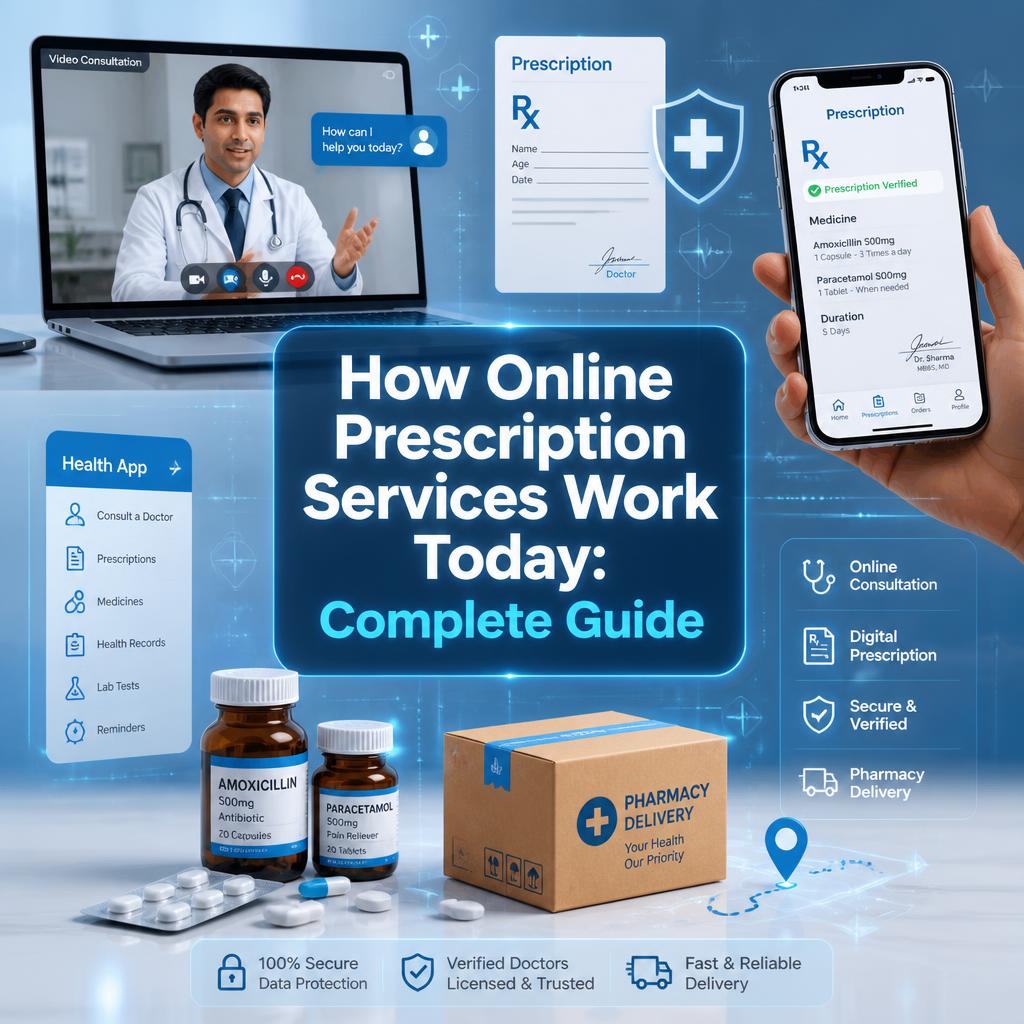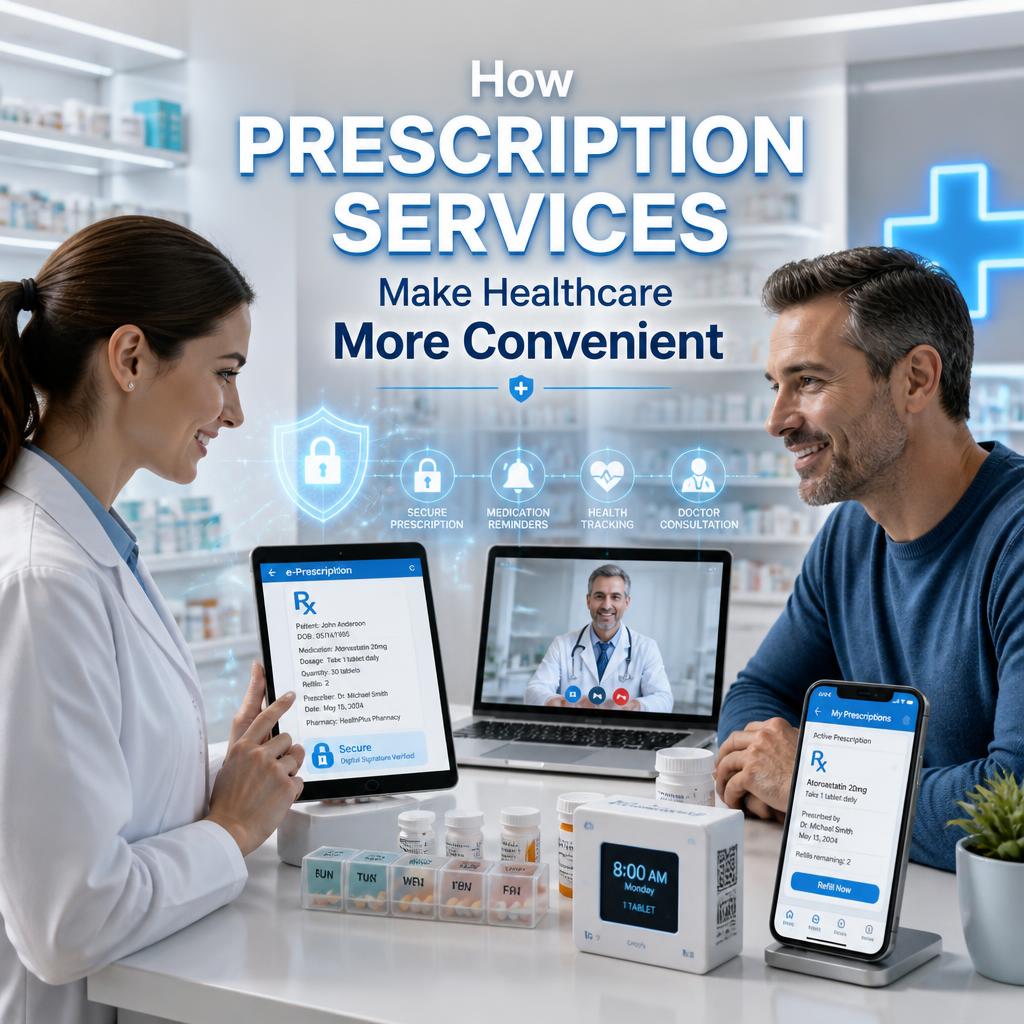
aptekamedpl.com – How Prescription Services Make Healthcare More Convenient is a topic that has become increasingly important as people look for faster, safer, and more efficient ways to manage their health. Whether you’re a busy professional, a parent caring for your family, or someone managing a chronic condition, modern prescription services have transformed how medications are prescribed, filled, and delivered. Instead of waiting in long pharmacy lines or making multiple trips to refill medications, patients now enjoy streamlined solutions that save both time and effort.
Healthcare has evolved dramatically over the past decade, thanks to digital innovation and improved patient-centered care. Today, prescription services are no longer limited to traditional pharmacy counters. From electronic prescriptions to home medication delivery and automatic refill programs, these services provide greater convenience while supporting better treatment adherence and overall wellness.
Why Prescription Services Matter More Than Ever
Prescription services play a vital role in ensuring patients receive the medications they need without unnecessary delays. They connect healthcare providers, pharmacies, and patients through secure digital systems that simplify communication and reduce paperwork.
More importantly, these services help answer essential healthcare questions:
- What medications are needed?
- Who prescribed them?
- Where can they be filled?
- When should they be taken?
- Why are they important?
- How can patients receive them quickly and safely?
By addressing these questions efficiently, prescription services improve both accessibility and patient satisfaction.
The Evolution of Prescription Services
From Paper Prescriptions to Digital Solutions
Not long ago, patients received handwritten prescriptions that had to be physically delivered to a pharmacy. While effective, this process often resulted in misplaced prescriptions, interpretation errors, and longer waiting times.
Today, electronic prescriptions (e-prescriptions) allow healthcare providers to send prescriptions directly to pharmacies through secure digital systems. This reduces mistakes caused by illegible handwriting while speeding up medication processing.
Benefits of Digital Prescriptions
- Faster prescription processing
- Reduced medication errors
- Improved patient safety
- Better record management
- Easier prescription tracking
How Online Prescription Services Improve Convenience
Online prescription services have become increasingly popular because they allow patients to manage medications from virtually anywhere.
Instead of visiting multiple healthcare facilities, patients can:
- Schedule virtual consultations
- Receive digital prescriptions
- Order medication online
- Track prescription status
- Arrange home delivery
These services are particularly valuable for individuals living in rural communities or those with limited mobility.
Home Delivery Makes Medication Access Easier
Saving Time Without Sacrificing Care
Home medication delivery is one of the biggest improvements in modern healthcare. Patients no longer need to interrupt work schedules or travel long distances simply to collect routine prescriptions.
Many pharmacies now offer same-day or next-day delivery for eligible medications, making healthcare more accessible than ever.
Ideal for Patients With:
- Chronic illnesses
- Disabilities
- Limited transportation
- Busy work schedules
- Elderly family members
Home delivery also reduces unnecessary exposure to crowded healthcare environments during seasonal illnesses.
Automatic Refills Help Patients Stay on Track
Missing medication doses can negatively impact treatment outcomes. Automatic refill programs help prevent interruptions by preparing refills before patients run out of medication.
Many prescription services send reminders through:
- SMS
- Mobile applications
- Automated phone calls
This simple feature encourages better medication adherence and supports long-term health management.
Telemedicine and Prescription Services Work Together
Virtual Healthcare Continues to Expand
The growth of telemedicine has changed how patients interact with healthcare providers.
Instead of traveling to a clinic for minor illnesses or follow-up appointments, patients can consult licensed healthcare professionals through secure video calls.
If medication is appropriate, the provider can immediately send an electronic prescription to the patient’s preferred pharmacy.
This integrated approach saves time while maintaining high standards of medical care.
Medication Management Becomes Simpler
Prescription services do much more than process medication orders.
Many platforms now include medication management tools such as:
Digital Medication Lists
Patients can access updated medication histories at any time.
Dosage Reminders
Smartphone notifications remind patients when medications should be taken.
Drug Interaction Alerts
Advanced software can identify potential medication interactions before prescriptions are filled.
Refill Tracking
Patients receive notifications when prescriptions are nearly exhausted.
These tools improve patient confidence while reducing medication-related mistakes.
Better Communication Between Healthcare Providers
One major advantage of modern prescription services is improved communication among healthcare professionals.
When physicians, specialists, and pharmacists share secure electronic records, they gain a more complete understanding of each patient’s treatment plan.
This collaboration helps:
- Reduce duplicate prescriptions
- Identify possible medication conflicts
- Improve treatment coordination
- Enhance patient safety
- Support personalized healthcare decisions
As healthcare becomes increasingly collaborative, digital prescription systems continue to strengthen continuity of care.
Increased Safety Through Advanced Technology
Reducing Human Error
Medication errors remain a concern in healthcare, but digital prescription services significantly lower many common risks.
Modern systems automatically verify important information such as:
- Patient identity
- Medication dosage
- Allergy history
- Drug interactions
- Prescription expiration dates
Many pharmacies also use barcode verification systems to ensure the correct medication reaches the correct patient.
These technological safeguards improve accuracy while increasing public trust in healthcare services.
Convenience for Patients Managing Chronic Conditions
Individuals living with conditions such as diabetes mellitus, hypertension, asthma, or hyperlipidemia often require long-term medications.
Prescription services simplify ongoing treatment by offering:
- Scheduled refill programs
- Prescription synchronization
- Long-term medication monitoring
- Digital reminders
- Home delivery
Rather than managing multiple refill dates, patients can coordinate medications into a single monthly schedule.
This reduces stress while improving consistency.
Choosing the Right Prescription Service
Not every prescription provider offers the same level of service. Patients should evaluate several important factors before selecting one.
Licensing and Accreditation
Choose pharmacies that meet national healthcare regulations and licensing standards.
Secure Digital Systems
Patient privacy should always be protected using encrypted technology and secure medical records.
Professional Pharmacist Support
Access to licensed pharmacists ensures patients receive appropriate medication counseling whenever needed.
Flexible Delivery Options
Reliable delivery services provide greater convenience for routine prescriptions.
Transparent Pricing
Clear pricing helps patients understand medication costs before placing orders.
Selecting a trusted provider contributes to safer, more efficient healthcare experiences.
The Future of Prescription Services
Healthcare technology continues to advance rapidly.
Emerging innovations may include:
- Artificial Intelligence (AI) medication recommendations
- Predictive refill scheduling
- Wearable device integration
- Personalized treatment monitoring
- Smart medication packaging
- Expanded remote pharmacy consultations
These developments will likely make prescription services even more efficient while supporting personalized healthcare for millions of patients worldwide.
As healthcare systems continue embracing digital transformation, patients can expect greater convenience without compromising safety or quality of care.
How Prescription Services Make Healthcare More Convenient demonstrates how modern healthcare has become more accessible, efficient, and patient-focused. From electronic prescriptions and telemedicine consultations to automatic refills and home medication delivery, today’s prescription services reduce unnecessary barriers while helping patients receive timely treatment. As technology continues to improve healthcare delivery, these services will remain essential for supporting better medication management, enhancing patient safety, and simplifying everyday healthcare experiences. Ultimately, How Prescription Services Make Healthcare More Convenient reflects the future of healthcare—one that prioritizes accessibility, efficiency, and better outcomes for everyone.