Essential Medical Information Everyone Should Understand is something everyone should learn because basic health knowledge can help people make smarter decisions about their bodies, recognize warning signs, and communicate better with healthcare professionals. Many people only pay attention to medical topics when they feel sick, but understanding simple health concepts before problems appear can make a huge difference in everyday life.
Medical information is not only about diseases, medicines, or hospital treatments. It also includes understanding how the human body works, how to maintain good habits, and how to identify changes that may require professional attention. From nutrition and mental health to preventive care and emergency awareness, having reliable knowledge helps individuals become more responsible toward their own well-being. – aptekamedpl.com
Why Understanding Basic Medical Information Matters in Daily Life
Health affects almost every part of human activity. The way people sleep, eat, move, and manage stress can influence physical and emotional conditions. Unfortunately, many people still rely on random information from social media or unreliable sources when dealing with health concerns.
Having a foundation in medical knowledge allows individuals to separate facts from myths. For example, understanding how infections spread, how medications work, and why regular checkups matter can prevent unnecessary fear and confusion.
Modern healthcare focuses not only on treating illness but also on prevention. The concept of preventive medicine, often called preventive care, encourages people to take action before serious health problems develop.
Understanding the Human Body and Its Essential Functions
How Major Body Systems Work Together
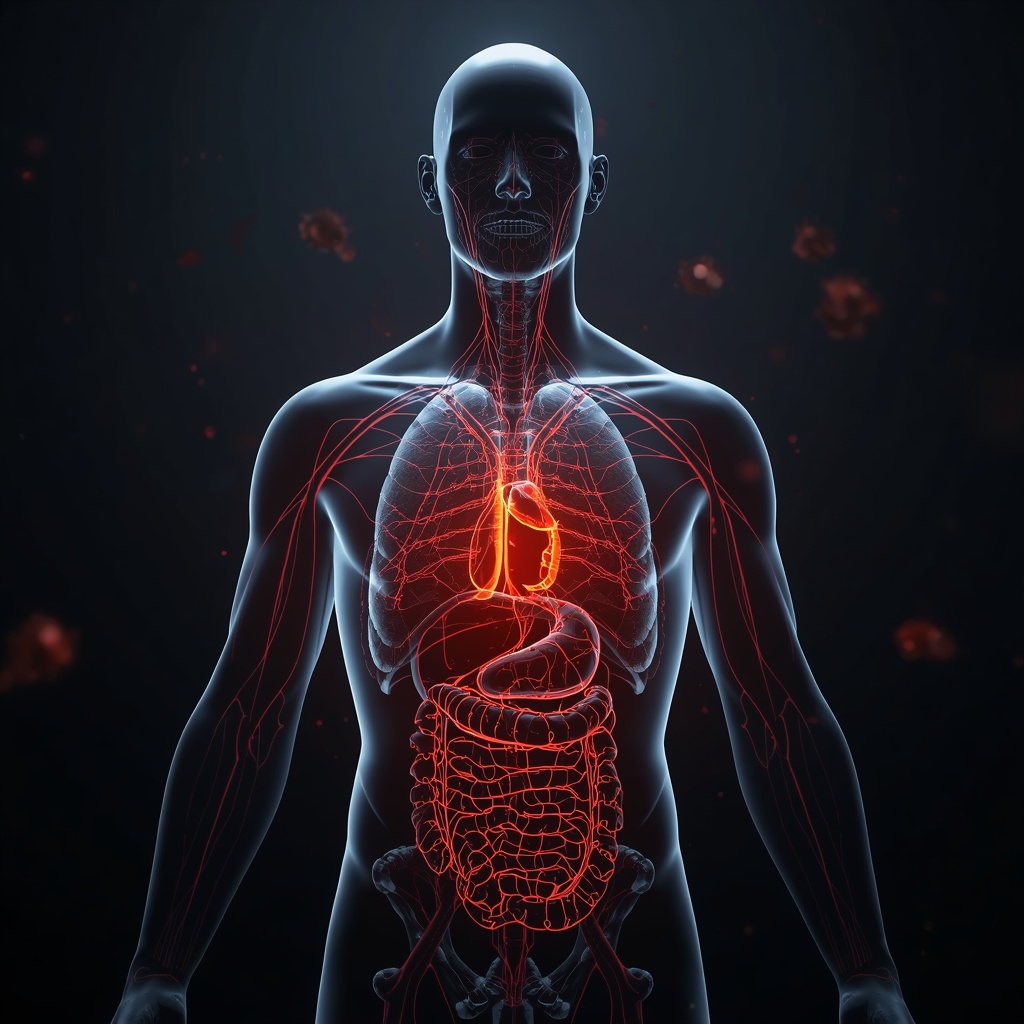
The human body is a complex system where different organs and structures cooperate continuously. The cardiovascular system, which includes the heart and blood vessels, delivers oxygen and nutrients throughout the body.
The respiratory system helps people breathe by exchanging oxygen and carbon dioxide. Meanwhile, the digestive system processes food and transforms it into energy needed for daily activities.
The nervous system, controlled by the brain and spinal cord, manages movement, thoughts, emotions, and many automatic processes. These systems do not work independently but create a connected network that keeps the body functioning.
The Role of Cells in Human Health
Every human body consists of trillions of cells. Cells are the smallest living units responsible for growth, repair, and energy production.
A healthy lifestyle supports normal cell function through balanced nutrition, proper hydration, quality sleep, and regular physical activity. Damage at the cellular level can contribute to various health conditions, including inflammation and chronic diseases.
Common Medical Conditions Everyone Should Recognize
Understanding Chronic Diseases and Their Impact
Chronic diseases are long-term health conditions that usually require continuous management. Some common examples include:
- Diabetes
- Heart disease
- High blood pressure
- Asthma
- Arthritis
- Certain types of cancer
These conditions often develop gradually, and early symptoms may appear mild. This is why regular health monitoring becomes important, especially for individuals with higher risk factors.
For example, hypertension or high blood pressure is often called a “silent condition” because many people do not notice symptoms until complications occur.
Recognizing Signs That Require Medical Attention
When Should Someone Visit a Doctor?
Many people ignore unusual symptoms because they hope the problem disappears naturally. While some minor issues may improve on their own, certain warning signs should receive medical evaluation.
Examples of symptoms that should not be ignored include:
- Sudden chest pain
- Difficulty breathing
- Unexplained weight loss
- Persistent fever
- Severe headaches
- Changes in vision
- Unusual bleeding
Understanding these signals does not mean diagnosing yourself. Instead, it helps you know when professional medical advice may be necessary.
The Importance of Early Detection
Early detection often improves treatment options and outcomes. Medical professionals use various tools such as physical examinations, laboratory tests, and imaging technology to understand health conditions.
The field of diagnostic medicine focuses on identifying diseases through accurate evaluation. Better diagnosis allows doctors to create more suitable treatment plans.
Preventive Healthcare Habits Everyone Should Practice
Building a Strong Foundation Through Healthy Lifestyle Choices
Prevention is one of the most important concepts in modern healthcare. Small daily habits can create long-term benefits.
Some essential habits include:
Maintaining Balanced Nutrition
Food provides the energy and nutrients required by the body. A balanced diet usually includes:
- Vegetables and fruits
- Protein sources
- Healthy fats
- Whole grains
- Enough water
Nutrients such as vitamins, minerals, and antioxidants support immune function and overall health.
Getting Enough Quality Sleep
Sleep plays a major role in physical recovery and brain function. During sleep, the body repairs tissues, regulates hormones, and strengthens memory.
Adults generally need sufficient rest every night because poor sleep quality may increase the risk of several health problems.
Staying Physically Active
Exercise supports heart health, muscle strength, flexibility, and mental well-being. Activities like walking, cycling, swimming, or strength training can improve overall fitness.
The goal is not always intense workouts but creating consistent movement habits.
Medical Information About Mental Health Awareness
Why Mental Health Is Part of Overall Wellness
Health is not limited to physical conditions. Mental health influences emotions, behavior, relationships, and daily performance.
Conditions such as anxiety, depression, and stress-related disorders are common worldwide. However, many people still hesitate to discuss mental health because of social stigma.
Understanding mental health encourages people to seek support when needed. Professional help from psychologists, counselors, or doctors can provide effective strategies for managing emotional challenges.
Understanding Medicines and Safe Medication Use
How Medications Affect the Body
Medicines are designed to prevent, control, or treat specific health conditions. Each medication has a purpose, dosage, and possible side effects.
The science behind medicines is known as pharmacology, which studies how drugs interact with the human body.
People should always follow medical instructions when using prescription medications. Taking incorrect doses or combining medicines without guidance can create unwanted risks.
Why Self-Medication Can Be Dangerous
Some individuals use medications based on online recommendations or advice from others. Although certain over-the-counter medicines are safe when used correctly, serious conditions require professional evaluation.
Healthcare providers consider factors such as age, medical history, allergies, and other medications before recommending treatment.
The Importance of Vaccination and Disease Prevention
How Vaccines Protect Individual and Community Health
Vaccination is one of the major achievements in medical science. Vaccines train the immune system to recognize specific harmful organisms.
The process involves introducing a harmless part or inactive form of a microorganism so the body can build protection.
The concept of immunity helps explain why vaccinated populations can reduce the spread of certain infectious diseases.
Emergency Medical Knowledge Everyone Should Learn
Basic First Aid Skills Can Save Lives
Knowing simple first aid techniques can be extremely valuable during emergencies. First aid does not replace professional treatment, but it can provide immediate support before medical help arrives.
Important skills include:
- Recognizing emergency situations
- Calling emergency services
- Helping someone who is choking
- Understanding basic wound care
- Learning CPR techniques
Preparedness can make a critical difference during unexpected situations.
How Technology Is Changing Modern Healthcare
Digital Innovation in Medical Services
Technology continues to transform healthcare through tools such as electronic health records, wearable devices, and online consultations.
The development of telemedicine allows patients to communicate with healthcare professionals remotely. This approach improves access to medical advice, especially for people living far from healthcare facilities.
Artificial intelligence is also becoming part of medical research, helping professionals analyze information and improve diagnostic processes.
Creating Better Health Decisions Through Reliable Knowledge
Medical information becomes valuable when people use it wisely. Understanding the basics of the human body, recognizing symptoms, practicing prevention, and seeking professional advice at the right time can improve quality of life.
Avoiding misinformation is equally important because incorrect health claims can lead to harmful decisions. Reliable medical knowledge should always come from trusted healthcare sources and scientific evidence.
Final Thoughts on Essential Medical Information Everyone Should Understand
Learning Essential Medical Information Everyone Should Understand helps people become more aware of their bodies, recognize important health signals, and develop better daily habits. Medical knowledge is not only useful for patients but also for anyone who wants to protect their future health. By understanding prevention, treatment, mental wellness, and emergency awareness, everyone can take a more active role in maintaining a healthier and more informed life.