aptekamedpl.com – Medical Information in 2026: A Smart Guide to Understanding Health Data the Right Way is shaping how people make health decisions today. As information spreads rapidly across digital platforms, you must learn how to filter, understand, and use it effectively. Otherwise, you risk making decisions based on misleading or incomplete data.
What Is Medical Information and Why Does It Matter?
Medical information covers everything related to health—diseases, treatments, medications, and lifestyle choices. You can find it online, in books, or through healthcare professionals.
More importantly, this information directly influences your decisions. When you rely on accurate data, you improve your chances of staying healthy. On the other hand, when you trust unreliable sources, you expose yourself to unnecessary risks.
Who Needs Medical Information?
In reality, everyone needs medical information. However, certain groups depend on it more heavily.
For example, patients actively seek information to understand their condition. Meanwhile, caregivers use it to support loved ones. At the same time, health-conscious individuals rely on it to prevent illness.
Clearly, medical information is no longer limited to professionals—it belongs to everyone.
Where Can You Find Reliable Medical Information?
First of all, you need to choose your sources carefully. Not all information deserves your trust.
Trusted Online Sources
You can start with official hospital websites. In addition, evidence-based platforms provide structured and research-backed insights. Furthermore, scientific journals offer deeper, peer-reviewed knowledge.
Offline Sources
Alternatively, you can consult doctors directly. You can also read books written by recognized experts.
As a result, you reduce the risk of misinformation and increase your confidence in the data you use.
When Should You Use Medical Information?
You should use medical information at the right moment to maximize its value.
For instance, you might look it up when you experience unusual symptoms. Then, you may use it again before starting a treatment. Additionally, it helps when you want to understand a diagnosis or prevent potential illness.
In short, don’t wait until things get worse—act early.
Why Is There So Much Misleading Medical Information?
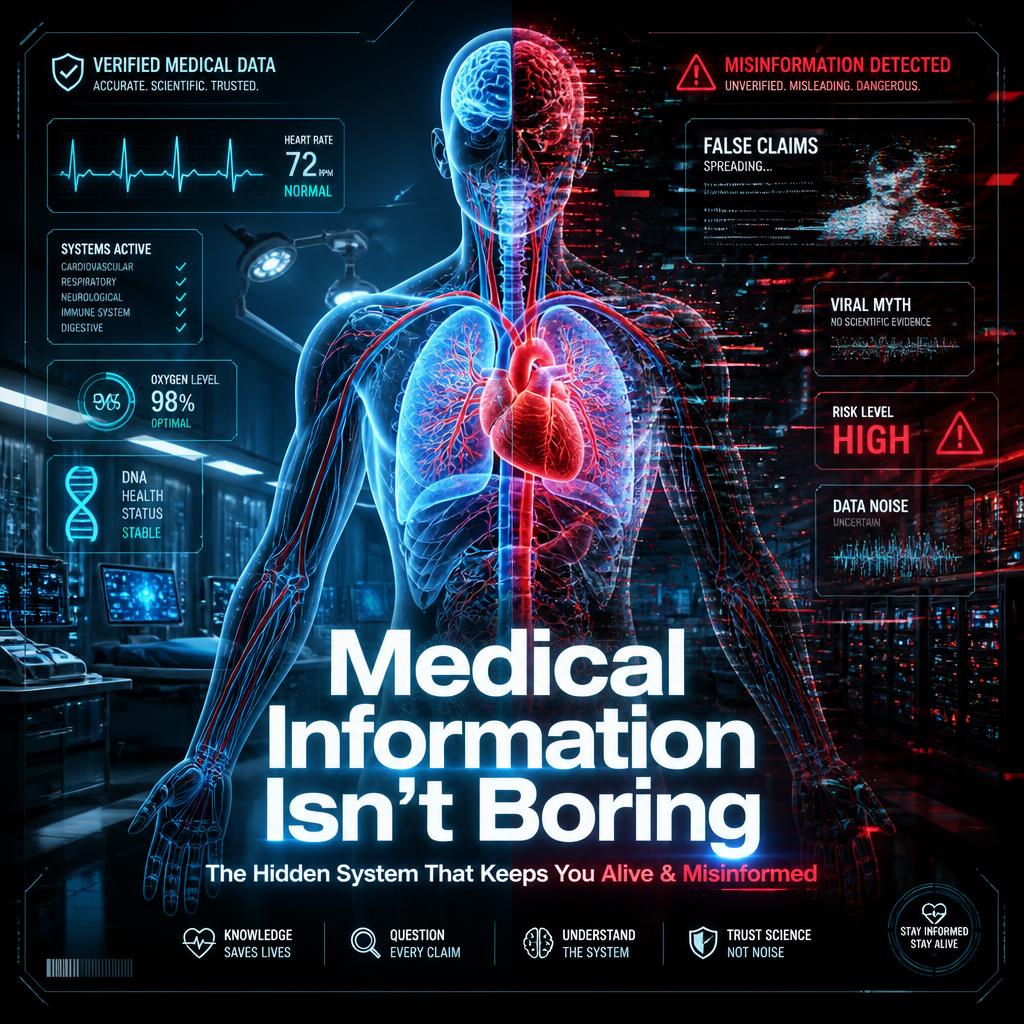
Unfortunately, misinformation spreads quickly.
First, many creators publish content without scientific backing. Next, clickbait headlines attract attention but distort facts. Moreover, social media accelerates the spread of unverified claims.
Consequently, you must stay alert. Just because something sounds convincing doesn’t mean it’s accurate.
How to Verify Medical Information Effectively
To protect yourself, you need a clear verification process.
1. Check the Source
Always start by identifying where the information comes from. Trusted institutions usually maintain high standards.
2. Review the Author
Then, look at who wrote it. Qualified doctors or health experts add credibility.
3. Look for References
After that, examine whether the content includes scientific citations.
4. Cross-Check Information
Finally, compare it with other reliable sources. This step helps confirm accuracy.
By following these steps, you build a solid foundation for making informed decisions.
Types of Medical Information You Should Know
Next, you should understand that medical information comes in different forms.
Preventive Information
This type focuses on avoiding illness. For example, it includes healthy eating habits and exercise routines.
Diagnostic Information
Meanwhile, diagnostic data helps you recognize symptoms and understand conditions.
Therapeutic Information
In addition, therapeutic information explains treatment options, both conventional and alternative.
Educational Information
Lastly, educational content builds your general understanding of health.
When you recognize these types, you can use each one more effectively.
Benefits of Using Accurate Medical Information
When you apply accurate information, you gain several advantages.
First, you increase your awareness of health issues. Then, you make better decisions regarding treatment. At the same time, you reduce the risk of errors. Moreover, you can detect diseases earlier.
Ultimately, reliable information empowers you.
Risks of Using Incorrect Medical Information
However, incorrect information can lead to serious consequences.
For example, you might misinterpret symptoms. As a result, you may choose the wrong treatment. In some cases, your condition could worsen. Worse still, you might delay proper medical care.
Therefore, you should never take medical information lightly.
The Role of Technology in Medical Information
Today, technology plays a major role in how you access health data.
Health Apps
First, health apps provide real-time monitoring of your body.
Artificial Intelligence (AI)
Next, AI tools analyze symptoms quickly and offer initial insights.
Telemedicine
Additionally, telemedicine allows you to consult doctors remotely.
Even so, you should use technology as a support system—not a replacement for professional judgment.
Tips for Using Medical Information Wisely
To stay safe, you should follow practical guidelines.
First, treat medical information as a reference—not a final diagnosis. Then, always consult a healthcare professional. After that, avoid excessive self-diagnosis. In addition, rely only on trusted sources. Finally, stay calm when reading about symptoms.
By doing this, you maintain balance and clarity.
The Future of Medical Information: What’s Next?
Looking ahead, medical information will become more advanced and personalized.
For instance, DNA-based insights will help tailor treatments. Meanwhile, real-time monitoring will provide continuous data. In addition, AI will improve diagnostic accuracy. At the same time, digital platforms will expand health education.
As a result, accessing accurate medical information will become easier than ever.
Medical Information in 2026: A Smart Guide to Understanding Health Data the Right Way highlights how essential it is to use health information wisely. By understanding what, who, where, when, why, and how, you can take control of your health decisions.
In the end, accurate medical information doesn’t just inform—it empowers. Therefore, verify every source, think critically, and use the information to build a healthier future.