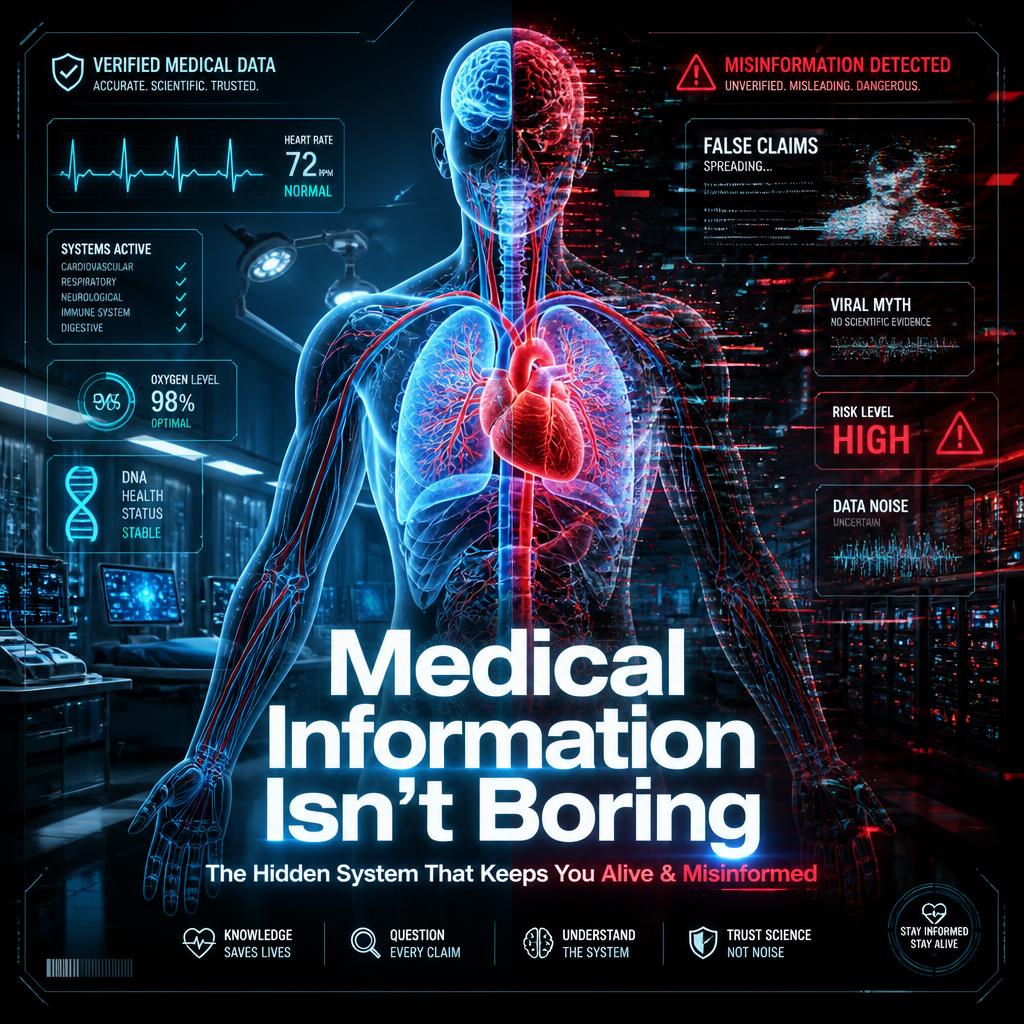
aptekamedpl – Medical Information Isn’t Boring: The Hidden System That Keeps You Alive and Misinformed often gets overlooked, yet it quietly controls how diagnoses are made, how treatments are chosen, and how patients understand their own health. In reality, it is a living network of data, decisions, and interpretations that moves through hospitals, clinics, and even your smartphone.
What Medical Information Actually Means in Modern Healthcare
Medical information is not just lab results or prescriptions. It is a structured collection of clinical data, patient history, imaging scans, genetic markers, and physician notes. Each piece forms a larger picture that helps healthcare professionals decide what happens next.
In modern systems, this information is no longer static. It constantly updates as new tests are added, symptoms change, or treatments begin to take effect. The goal is simple: build a real-time understanding of a human body that is always changing.
How Data Flows Through Hospitals and Clinics
Healthcare systems function like information highways. When a patient visits a clinic, their data travels through multiple checkpoints—reception, triage, diagnostics, and treatment units.
Electronic Health Records and Digital Systems
Most hospitals now rely on Electronic Health Records (EHRs), which store everything from allergies to surgical history. These systems reduce errors but also introduce complexity, especially when different hospitals use incompatible software.
Role of Doctors and Nurses
Doctors interpret patterns, while nurses act as constant data collectors at the bedside. In this cycle, communication is everything. A missed update or delayed entry can change the entire outcome of a treatment plan.
When Medical Information Becomes Life Critical
Not all information carries equal weight. Some updates can wait days, while others require immediate action.
Emergency Room Dynamics
In emergency rooms, decisions are made in seconds. A slight change in heart rate, oxygen saturation, or neurological response can shift a patient’s priority level completely.
Triage Process Explained
Triage is the system that sorts patients based on urgency. It ensures that critical cases receive immediate attention while stable patients wait safely. This process is driven entirely by real-time medical information.
Why People Misinterpret Medical Information Online
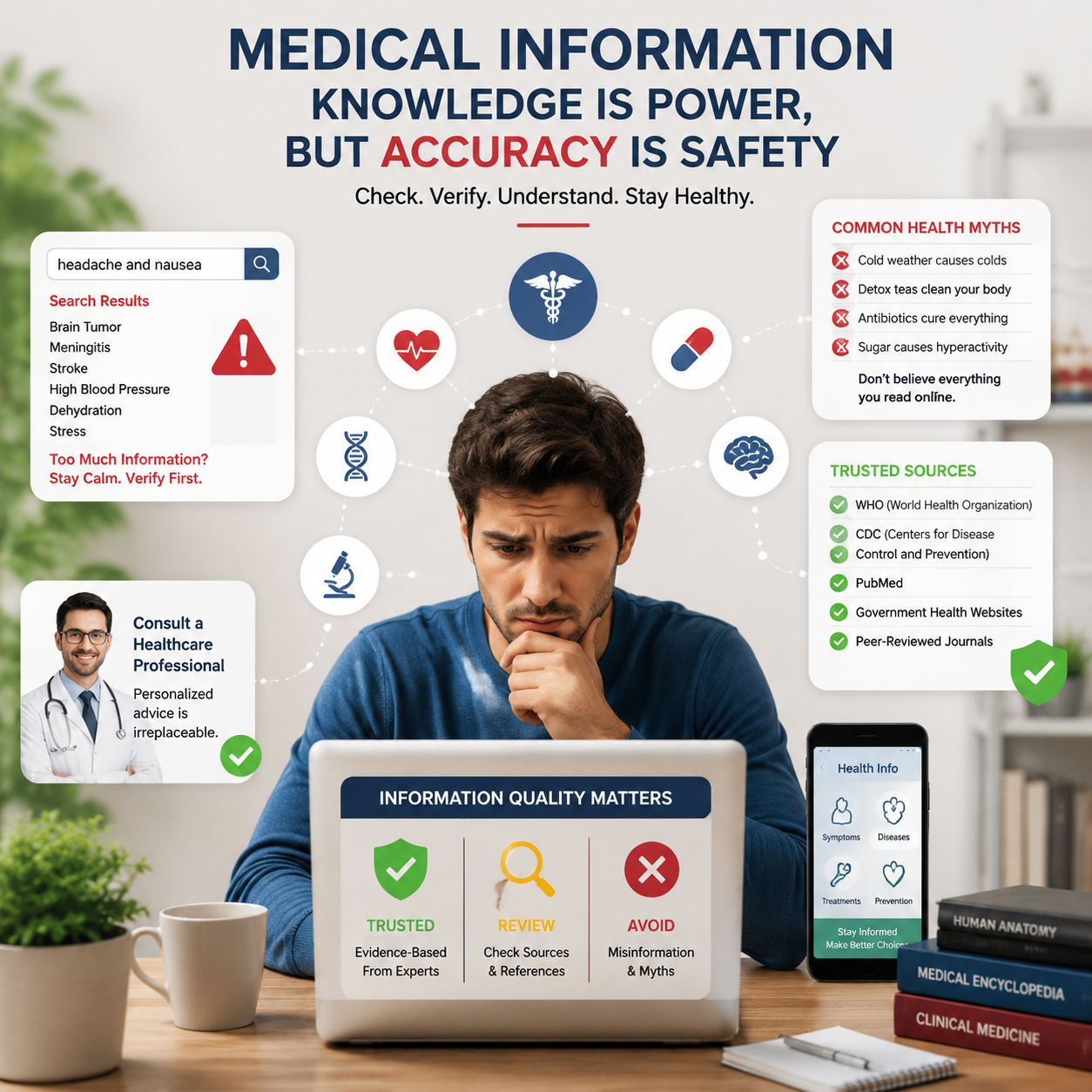
The internet has made medical knowledge widely accessible, but not always accurate. Social platforms often mix credible science with speculation.
Social Media Misinformation
Short-form content often oversimplifies complex conditions. A single symptom is rarely enough to explain a disease, yet online posts frequently suggest otherwise.
Algorithm Bias and Echo Chambers
Algorithms prioritize engagement, not accuracy. As a result, misleading health content can spread faster than verified clinical research.
How Patients Can Navigate Medical Systems
Understanding your own health data is becoming an essential skill.
Asking the Right Questions
Patients who ask clear, structured questions tend to receive better explanations. Instead of “Is this bad?”, asking “What does this result indicate in context?” leads to more useful answers.
Understanding Lab Results
Lab reports often include ranges rather than fixed answers. A value slightly outside the normal range does not always indicate disease; it may reflect temporary physiological changes.
The Science Behind Medical Decision Making
At the core of healthcare is probability, not certainty. Doctors rarely work with absolute answers. Instead, they interpret patterns and risks based on population data, clinical studies, and patient history.
Within this system, Medical Information acts as the central reference point that connects symptoms, diagnostics, and treatment strategies into one unified decision-making process.
AI in Diagnostics
Artificial intelligence tools now assist in reading X-rays, MRIs, and CT scans. These systems are trained on millions of images to detect patterns that may be too subtle for the human eye.
Statistical Probability in Medicine
Every diagnosis carries a probability score. For example, chest pain does not automatically mean a heart attack—it could be muscle strain, anxiety, or gastrointestinal issues. Medicine works by narrowing possibilities, not assuming certainty.
Where Medical Information Is Stored and Protected
Healthcare data security is a critical concern in the digital era.
Privacy Regulations in Canada
In Vancouver and across Canada, patient data is protected under laws like PIPEDA (Personal Information Protection and Electronic Documents Act). These regulations ensure that personal health data is only accessed by authorized professionals.
Cloud-Based Medical Systems
Hospitals increasingly use cloud storage to manage large datasets. While this improves accessibility, it also requires strong encryption and cybersecurity protocols to prevent breaches.
The Future of Healthcare Communication
The next generation of healthcare will be driven by continuous data flow rather than periodic checkups.
Wearable Health Devices
Smartwatches and fitness trackers now monitor heart rate, sleep cycles, and oxygen levels. These devices turn daily life into a stream of health data.
Predictive Medicine
Future systems aim to predict illness before symptoms appear. By analyzing genetic data, lifestyle patterns, and environmental factors, healthcare may shift from treatment to prevention.
The Human Side of Medical Interpretation
Behind every chart and dataset is a human story. Numbers alone do not explain fear, uncertainty, or hope. That is why interpretation remains just as important as data collection.
Doctors, nurses, and patients all contribute to the meaning of medical information, shaping decisions that affect real lives every day.
✔️ Medical Information Made Simple: Smart Health Knowledge for All
✔️ Simple Habits That Secretly Trigger Serious Health Problems
Final Thoughts on Healthcare Intelligence
Medical systems are evolving into highly connected networks where data flows faster than ever before. Yet the challenge remains the same: turning raw information into meaningful decisions that improve human life.
Medical Information continues to shape diagnosis, treatment, and prevention strategies across the globe, influencing not only how medicine is practiced but also how people understand their own health journey.
In the end, Medical Information isn’t just data—it is the quiet infrastructure behind every heartbeat monitored, every diagnosis delivered, and every recovery achieved through modern healthcare.