Introduction to Medical Information Guide for Understanding Common Diseases
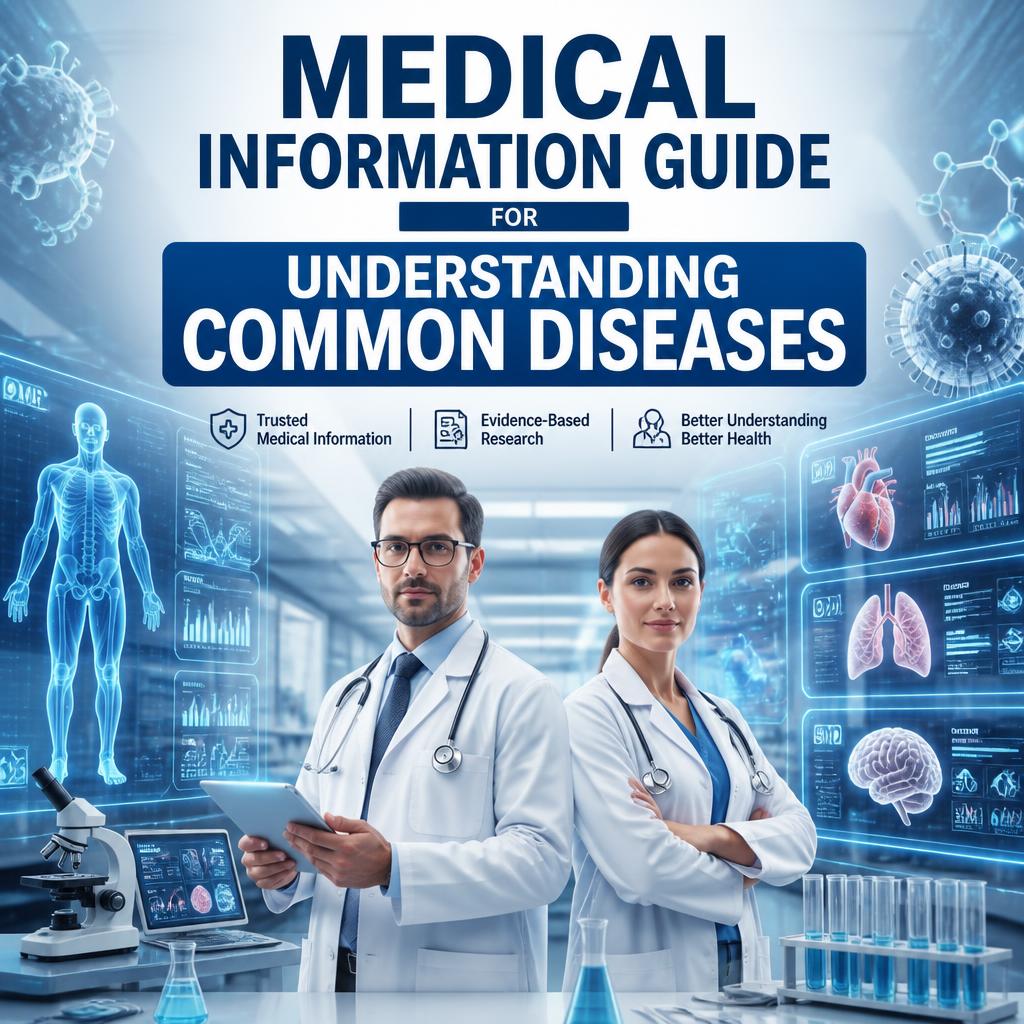
aptekamedpl.com – Medical Information Guide for Understanding Common Diseases is a valuable resource for anyone who wants to learn how different health conditions develop, affect the body, and can be managed through proper care. Understanding common diseases does not mean diagnosing yourself, but it helps you recognize warning signs, understand medical explanations, and make better decisions when seeking professional healthcare.
Every person experiences health challenges at some point, whether it involves minor infections, chronic conditions, or lifestyle-related illnesses. With the growth of modern medicine, people now have access to more information about pathophysiology, prevention methods, and treatment approaches. However, medical information must be understood carefully because every disease has unique characteristics influenced by genetics, environment, and personal habits.
This guide explores what common diseases are, who can experience them, where they commonly appear in the body, when symptoms may become noticeable, why they occur, and how people can manage their health more effectively.
Understanding What Common Diseases Mean in Modern Healthcare
Common diseases are health conditions that frequently affect populations worldwide. These illnesses can range from short-term infections to long-lasting disorders requiring continuous management.
Medical professionals classify diseases based on several factors, including their causes, affected organs, duration, and severity. Some diseases happen because of external factors such as bacteria, viruses, or environmental exposure. Others develop due to internal changes like genetic mutations, immune system problems, or metabolic disorders.
A strong understanding of disease mechanisms allows individuals to recognize the importance of prevention. Simple actions such as maintaining nutrition, exercising regularly, managing stress, and attending health checkups can reduce the risk of many conditions.
Types of Common Diseases That Affect Human Health
1. Infectious Diseases Caused by Microorganisms
Infectious diseases occur when harmful microorganisms enter the body and disturb normal biological functions. These microorganisms include bacteria, viruses, fungi, and parasites.
Examples of infectious illnesses include:
- Influenza caused by viral infection
- Tuberculosis caused by Mycobacterium tuberculosis
- Food poisoning caused by harmful bacteria
- Skin infections caused by fungi
These diseases can spread through direct contact, contaminated food, respiratory droplets, or insect transmission. Healthcare systems often focus on vaccination, hygiene, and early treatment to control infectious disease outbreaks.
2. Chronic Diseases That Require Long-Term Management
Chronic diseases usually develop slowly and may continue for months or years. Unlike temporary infections, these conditions often require ongoing medical monitoring.
Some common chronic diseases include:
- Diabetes mellitus
- Hypertension
- Heart disease
- Chronic respiratory disorders
- Arthritis
These conditions often involve complex interactions between genetics, lifestyle choices, and environmental factors. Although some chronic diseases cannot be completely cured, proper management can improve quality of life.
How Diseases Develop Inside the Human Body
The human body contains billions of cells that work together through complicated biological systems. A disease begins when normal processes become disrupted.
For example, diabetes occurs when the body cannot properly regulate glucose levels because of problems with insulin production or insulin response. Meanwhile, cardiovascular diseases may develop when blood vessels experience damage from cholesterol buildup, inflammation, or high blood pressure.
The scientific study of how diseases develop is known as pathology. Doctors use pathological knowledge to understand changes in tissues, organs, and cellular functions. This information helps create accurate treatment strategies.
Recognizing Early Symptoms and Warning Signs
Early detection plays an important role in medical care. Many diseases become easier to manage when healthcare professionals identify them before serious complications appear.
Common warning signs that should receive attention include:
Physical Changes
- Unexplained weight changes
- Persistent fatigue
- Long-lasting pain
- Changes in skin appearance
- Difficulty breathing
Internal Health Symptoms
- Frequent fever
- Digestive problems
- Changes in sleep patterns
- Abnormal blood pressure
- Reduced physical ability
Symptoms do not always indicate a serious illness, but unusual changes that continue over time deserve proper evaluation.
Factors That Increase the Risk of Common Diseases
Lifestyle and Daily Habits
Lifestyle choices have a significant influence on overall health. Poor nutrition, lack of physical activity, smoking, and excessive alcohol consumption can increase disease risks.
A balanced lifestyle supports the body’s immune system and helps maintain normal biological functions. Regular movement, healthy meals, and adequate rest contribute to better long-term wellness.
Genetic and Environmental Influences
Genetics can affect how likely someone is to develop certain diseases. Some individuals inherit conditions that increase susceptibility to specific illnesses.
Environmental factors also play an important role. Pollution, workplace exposure, climate conditions, and access to healthcare services can influence disease patterns in different communities.
Medical Information Guide for Understanding Common Diseases Through Prevention Methods
Prevention remains one of the most effective approaches in healthcare. Many diseases can be reduced through simple but consistent health practices.
People can improve their protection against illnesses by:
- Following recommended vaccination schedules
- Eating nutrient-rich foods
- Maintaining healthy body weight
- Exercising consistently
- Managing emotional stress
- Performing routine health screenings
Learning about diseases through Medical Information Guide for Understanding Common Diseases helps individuals understand why preventive actions matter and how small daily improvements can create meaningful health benefits.
Modern Diagnosis Methods Used by Healthcare Professionals
Medical technology continues to improve the way doctors identify diseases. Modern diagnosis combines physical examinations, laboratory testing, and advanced imaging systems.
Common diagnostic methods include:
Laboratory Analysis
Blood tests, urine tests, and genetic screenings provide important information about body functions. These tests help identify abnormalities that may indicate disease development.
Medical Imaging Technology
Healthcare providers use technologies such as:
- Magnetic Resonance Imaging (MRI)
- Computed Tomography (CT Scan)
- Ultrasound examination
- X-ray imaging
These tools allow doctors to observe internal structures without invasive procedures.
Treatment Approaches for Different Health Conditions
Treatment depends on the type of disease, severity, and individual patient factors. Medical professionals often combine several approaches to achieve better results.
Medication-Based Treatment
Medicines may help control symptoms, fight infections, regulate body functions, or slow disease progression. Doctors carefully select medications based on medical history and diagnostic results.
Lifestyle-Based Treatment
Many conditions improve when patients make healthier lifestyle changes. Nutrition plans, exercise programs, rehabilitation, and stress management can support medical treatment.
Advanced Medical Innovations
Healthcare continues developing through technologies such as immunotherapy, precision medicine, and artificial intelligence-assisted diagnosis. These innovations aim to provide more personalized and effective treatments.
Why Medical Knowledge Matters for Everyday Life
Health knowledge gives people confidence when facing medical decisions. Understanding common diseases helps individuals communicate better with doctors and recognize when professional assistance is necessary.
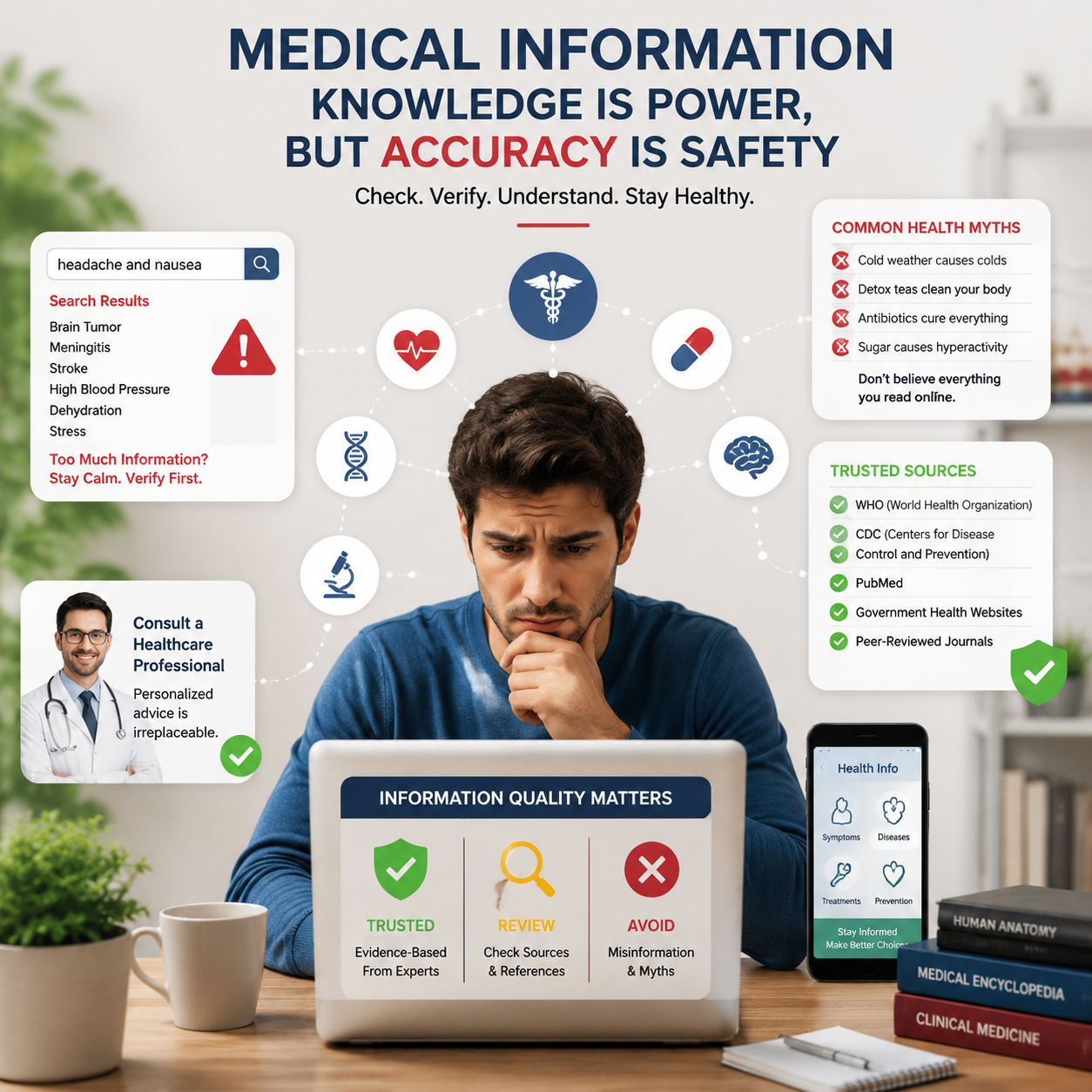
Medical awareness also reduces misinformation. Many people search for health answers online, but not all sources provide accurate explanations. Learning from reliable medical information encourages responsible health choices.
Families, schools, and communities benefit when people understand disease prevention and healthy living principles.
The Future of Disease Prevention and Healthcare Education
Healthcare continues changing as researchers discover new treatments and technologies. Future medical developments may focus more on prevention, personalized healthcare, and early disease prediction.
Artificial intelligence, genomic research, and digital health monitoring are becoming important parts of modern medicine. These innovations may help doctors identify health risks earlier and create treatment plans based on individual biological characteristics.
Public health education will also remain essential because informed communities are better prepared to prevent disease outbreaks and improve overall wellness.
Building Better Health Awareness Through Medical Knowledge
Learning about health conditions provides valuable insight into how diseases affect the human body and how people can protect themselves through responsible choices. A complete Medical Information Guide for Understanding Common Diseases helps readers explore disease causes, symptoms, prevention methods, diagnosis techniques, and treatment options in a simple and practical way. By improving medical awareness, individuals can take a more active role in maintaining their health and creating a healthier future.