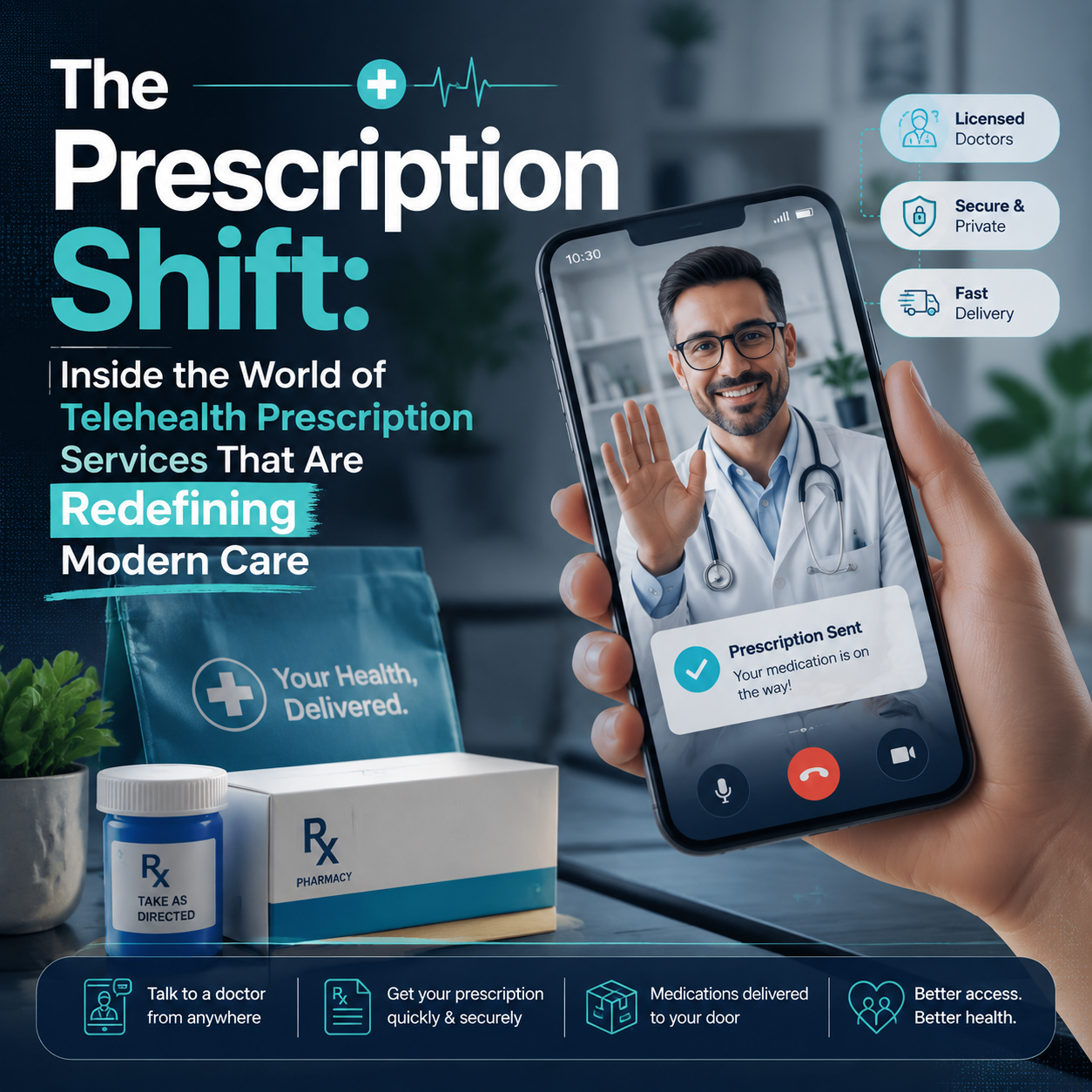
aptekamedpl – The Prescription Shift: Inside the World of Telehealth Prescription Services That Are Redefining Modern Care opens a window into how healthcare is quietly changing behind screens, apps, and digital consultations. What once required waiting rooms, paper slips, and long queues is now increasingly handled through secure video calls and smart medical platforms. This transformation is not just about convenience—it is about rethinking how people access treatment, medication, and professional medical advice in real time.
Understanding Telehealth Prescription Services in Modern Healthcare
What They Actually Are
Telehealth prescription systems refer to digital healthcare platforms where licensed professionals assess patients remotely and issue prescriptions without in-person visits. These systems often rely on telemedicine infrastructure, secure communication tools, and electronic medical records.
Who Uses Them
From busy professionals in urban cities to patients in rural areas with limited clinic access, these services serve a wide demographic. Chronic illness patients, mental health users, and even seasonal allergy sufferers increasingly rely on them.
Where They Operate
They function globally, but adoption is strongest in regions with strong digital infrastructure such as North America, Europe, and parts of Asia-Pacific.
Evolution of Digital Prescribing
When It Started
The concept began gaining traction in the early 2010s but accelerated rapidly during global health disruptions that forced healthcare systems to go digital almost overnight.
Why It Matters Today
Speed, accessibility, and reduced physical strain on hospitals have made digital prescribing a core component of modern healthcare systems. It reduces patient load while increasing efficiency.
How the System Works Step by Step
Patient Consultation Flow
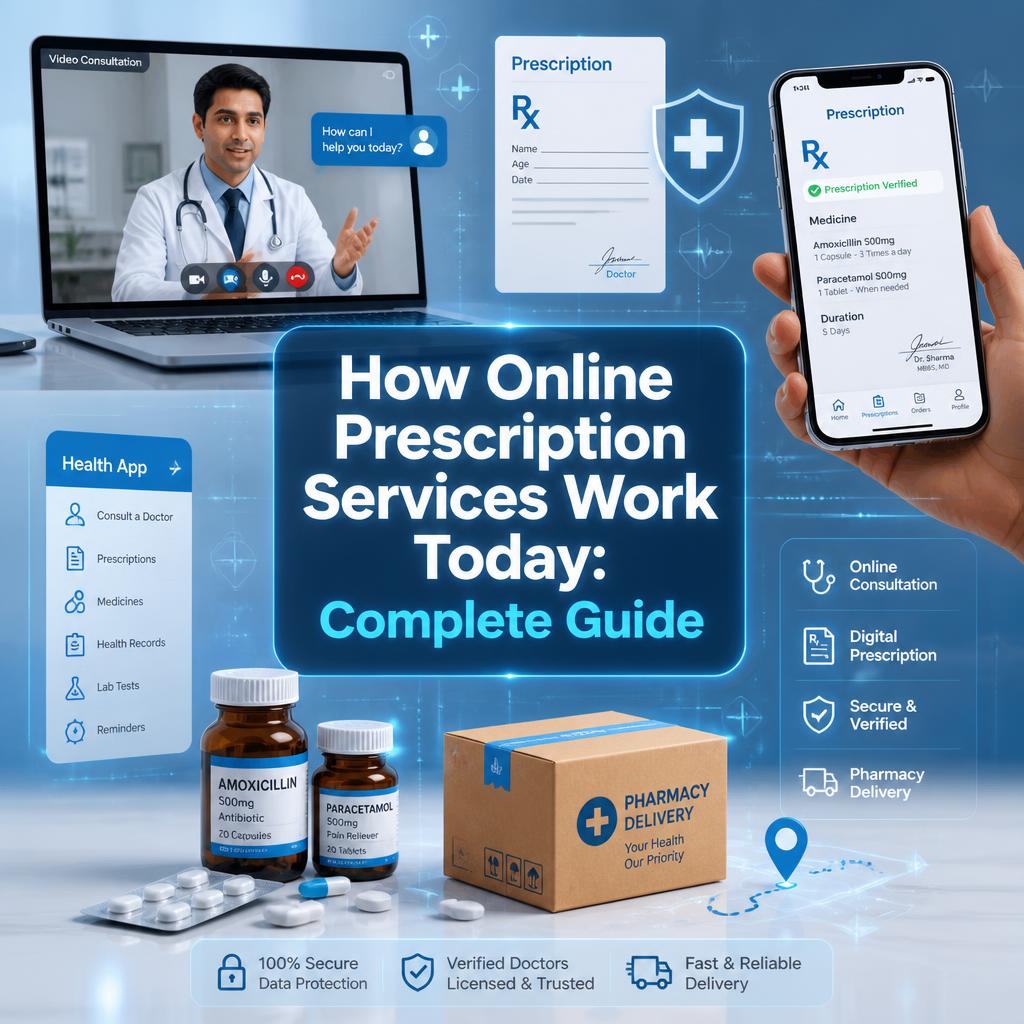
A patient books an appointment through an app or web platform. The doctor then conducts a live video or audio consultation.
Digital Diagnosis Process
Symptoms are reviewed, sometimes supported by uploaded lab results or wearable device data such as heart rate or glucose levels.
Prescription Issuance
Once diagnosed, the doctor issues an electronic prescription that is instantly sent to a certified pharmacy system.
e-Pharmacy Fulfillment
The medication is either delivered to the patient’s home or picked up at a nearby partner pharmacy.
Core Technology Behind Virtual Healthcare Systems
Secure Cloud Infrastructure
Patient data is stored using encrypted cloud systems to ensure confidentiality and compliance with healthcare laws.
Artificial Intelligence Support
AI tools assist doctors by flagging potential drug interactions, analyzing symptoms, and improving diagnostic speed.
Mobile Integration
Most platforms are optimized for smartphones, making healthcare accessible literally in the palm of a hand.
Midpoint Insight: The Digital Healthcare Bridge
At the core of modern digital healthcare ecosystems lies Telehealth Prescription Services, which act as a bridge between patients and medical professionals without requiring physical presence. This system integrates communication technology, clinical expertise, and pharmaceutical logistics into one seamless workflow, allowing care to move at the speed of data rather than geography.
Benefits Driving Global Adoption
Convenience and Speed
Patients can receive medical advice within minutes instead of waiting days for appointments.
Cost Efficiency
Reduced travel, shorter consultations, and optimized workflows lower overall healthcare costs.
Wider Accessibility
Remote regions gain access to certified healthcare professionals without needing to travel long distances.
Limitations and Real-World Concerns
Regulatory Challenges
Different countries enforce different rules on digital prescribing, which can limit cross-border service expansion.
Data Privacy Risks
Even with encryption, digital platforms remain targets for cyber threats if not properly secured.
Diagnostic Limitations
Some conditions still require physical examination, making full remote diagnosis impossible in certain cases.
How Telehealth is Changing Patient Behavior
The modern patient is becoming more proactive, informed, and digitally engaged. Instead of waiting for symptoms to worsen, many users now seek early consultation through online platforms. This shift represents a broader behavioral change toward preventive healthcare rather than reactive treatment.
WHO, WHAT, WHERE, WHEN, WHY, HOW Breakdown
Who
Patients, doctors, pharmacists, and healthcare platforms form the ecosystem.
What
A digital system enabling remote consultation and prescription issuance.
Where
Used in homes, workplaces, and remote regions via internet-enabled devices.
When
Available 24/7 in most systems, eliminating traditional clinic hours.
Why
To improve accessibility, reduce costs, and increase healthcare efficiency.
How
Through secure video consultations, digital diagnostics, and electronic prescriptions connected to pharmacies.
Use Cases Across Different Medical Fields
General Medicine
Cold, flu, infections, and minor conditions are commonly treated.
Mental Health Services
Therapists and psychiatrists provide remote counseling and medication management.
Chronic Disease Management
Conditions like diabetes and hypertension benefit from continuous monitoring and prescription updates.
Future Trends in Digital Prescription Systems
Expansion of Wearable Integration
Smartwatches and health trackers will feed real-time data into consultations.
Predictive Healthcare Models
Advanced algorithms will anticipate illness risks before symptoms appear.
Global Prescription Networks
Cross-border medical authorization may become more standardized in the future.
Practical Tips for Patients Using Online Healthcare
- Always verify doctor credentials before consultation
- Keep medical history ready for accurate diagnosis
- Use stable internet connections for clearer communication
- Follow prescription instructions strictly after issuance
Healthcare is no longer confined to hospital walls or clinic schedules. Digital transformation has reshaped how people receive medical attention, making care faster, more flexible, and more connected than ever before. The rise of The Prescription Shift: Inside the World of Telehealth Prescription Services That Are Redefining Modern Care reflects a broader movement toward accessible, technology-driven healthcare systems that continue to evolve with human needs and digital innovation.