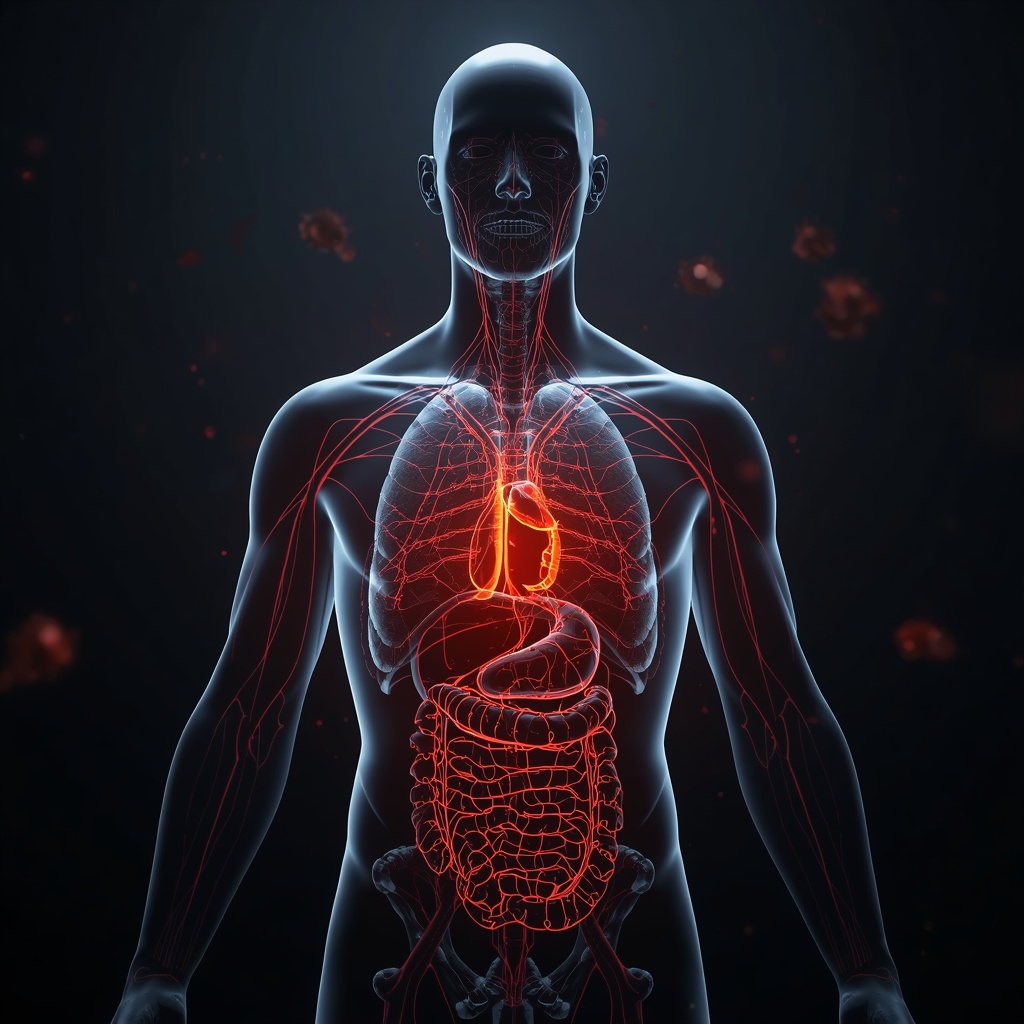
Hidden Lifestyle Patterns That Slowly Damage Your Health
Many simple daily habits look harmless on the surface, yet over time they can quietly trigger serious health problems. From poor sleep routines to constant screen exposure, these behaviors often go unnoticed until symptoms appear. Understanding how and why they affect the body helps prevent long-term risks. – aptekamedpl
Why Everyday Habits Matter More Than You Think
Your body responds not only to big lifestyle choices but also to small repeated actions. These habits shape metabolism, immunity, mental health, and energy levels.
- What: Repetitive actions like skipping meals or sitting too long
- Who: Anyone with a modern, fast-paced lifestyle
- Where: At home, work, or even during commutes
- When: Daily, often without awareness
- Why: Because small stressors accumulate over time
- How: Through hormonal imbalance, inflammation, and fatigue
Even minor patterns can snowball into chronic issues such as heart disease, diabetes, or anxiety disorders.
Habit 1: Sitting for Too Long Without Movement
Long hours of sitting—especially during work or entertainment—can reduce blood circulation and slow metabolism.
How It Affects Your Body
Extended inactivity increases the risk of obesity, back pain, and cardiovascular disease. It also weakens core muscles and affects posture.
Simple Fix
Take short breaks every 30–60 minutes. Stand, stretch, or walk briefly to restore circulation and energy flow.
Habit 2: Skipping Sleep or Irregular Sleep Schedule
Poor sleep hygiene is one of the most overlooked triggers of health decline.
What Happens Internally
Lack of sleep disrupts hormone balance, especially cortisol and insulin. This leads to weight gain, mood swings, and reduced immunity.
Why It Becomes Dangerous
Over time, chronic sleep deprivation increases the risk of diabetes, depression, and heart conditions.
Better Approach
Maintain a consistent sleep schedule, aiming for 7–9 hours nightly, even on weekends.
Habit 3: Excessive Screen Time and Blue Light Exposure
Spending too much time on phones, laptops, or TVs affects both physical and mental health.
Health Impact
Blue light disrupts melatonin production, leading to poor sleep quality. It also causes eye strain, headaches, and reduced focus.
How to Reduce Damage
Use screen filters, follow the 20-20-20 rule (every 20 minutes, look 20 feet away for 20 seconds), and reduce night usage.
Habit 4: Skipping Breakfast or Irregular Eating Patterns
Ignoring early meals or eating at inconsistent times affects metabolism and energy stability.
Body Response
This habit can lead to blood sugar spikes, overeating later in the day, and digestive discomfort.
Long-Term Risks
Over time, it may contribute to metabolic syndrome and poor nutrient absorption.
Healthy Adjustment
Eat balanced meals at consistent times, focusing on protein, fiber, and healthy fats.
Habit 5: Chronic Stress Without Recovery
Modern lifestyles often normalize stress, but constant pressure damages the body.
What Stress Does Internally
It increases cortisol levels, weakens immunity, and triggers inflammation.
Why It’s Dangerous
Long-term stress is linked to hypertension, anxiety disorders, and even heart disease.
Practical Solution
Incorporate breathing exercises, physical activity, or short breaks to reset mental load.
How These Habits Combine Into Bigger Problems
Individually, each habit may seem harmless. However, when combined, they create a cycle of fatigue, poor immunity, and metabolic imbalance.
For example:
- Poor sleep increases cravings
- Sedentary behavior slows metabolism
- Stress worsens both sleep and digestion
This chain reaction is what makes simple habits secretly trigger serious health problems over time.
Prevention Strategies for a Healthier Lifestyle
Improving health does not require drastic changes. Instead, focus on consistency.
Build Awareness
Track daily routines to identify unhealthy patterns.
Make Micro Adjustments
Small actions like standing more or reducing screen time create long-term benefits.
Prioritize Recovery
Sleep, hydration, and relaxation are essential, not optional.
Stay Physically Active
Even light exercise improves circulation, mood, and metabolism.
Frequently Asked Questions (FAQ)
1. Can small habits really cause serious health problems?
Yes. Repeated behaviors affect hormones, metabolism, and immune function, leading to long-term issues.
2. How quickly do these habits impact health?
Some effects appear in weeks (fatigue, poor sleep), while chronic diseases may take years to develop.
3. What is the most dangerous habit among them?
Chronic sleep deprivation and inactivity are among the most harmful when combined.
4. Can reversing these habits improve health?
Yes. The body responds quickly to positive changes like better sleep, movement, and balanced nutrition.
5. Are these habits common globally?
Yes, especially in urban environments with digital-heavy and sedentary lifestyles.
Understanding and correcting Simple Habits That Secretly Trigger Serious Health Problems is essential for long-term wellness. Small daily actions—like improving sleep, reducing screen time, managing stress, and staying active—can dramatically reshape your health trajectory. When addressed early, these habits stop being silent risks and become opportunities for stronger physical and mental resilience.
Ultimately, building awareness around Simple Habits That Secretly Trigger Serious Health Problems is the first step toward a healthier, more balanced life.