What Makes Modern Prescription Services So Different Today?
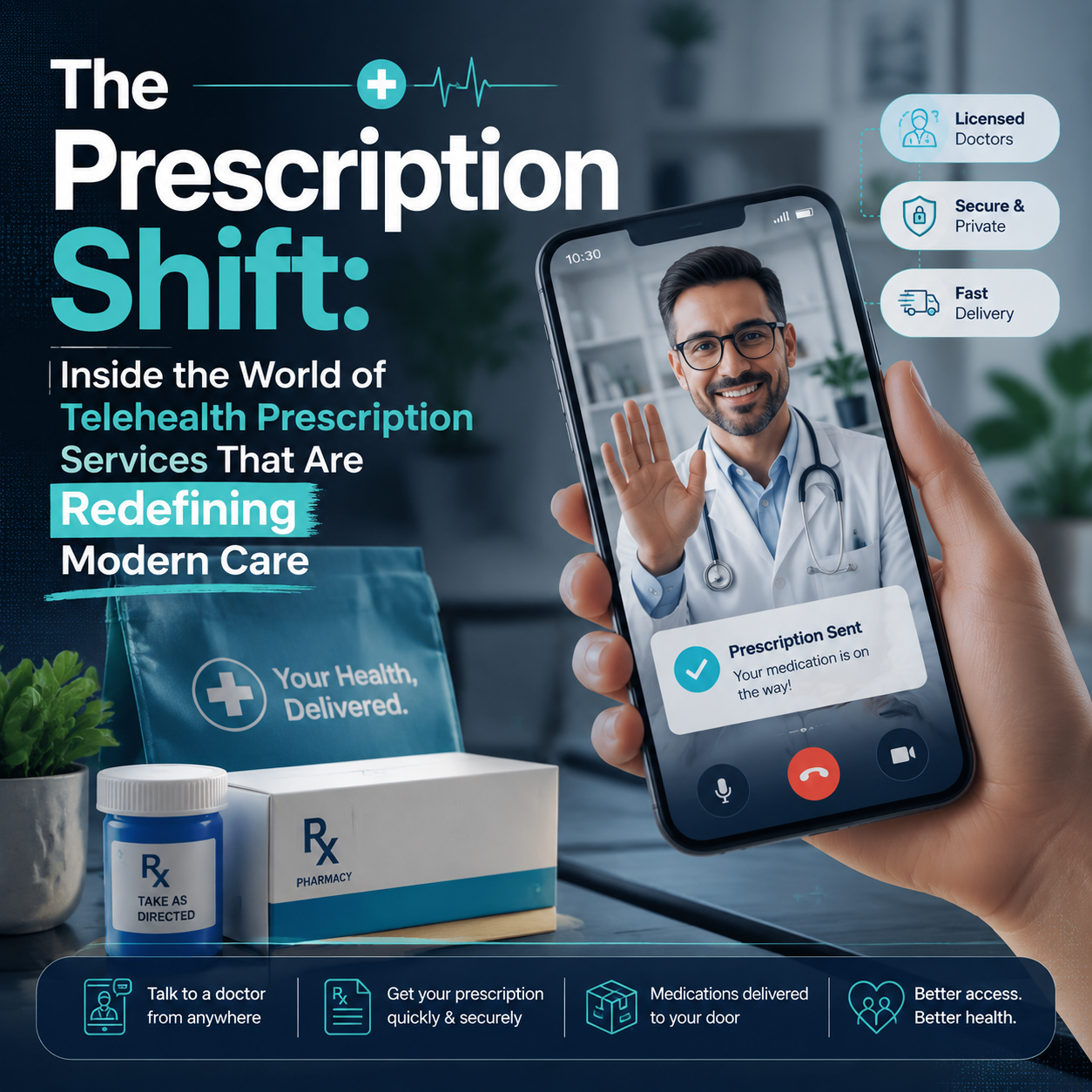
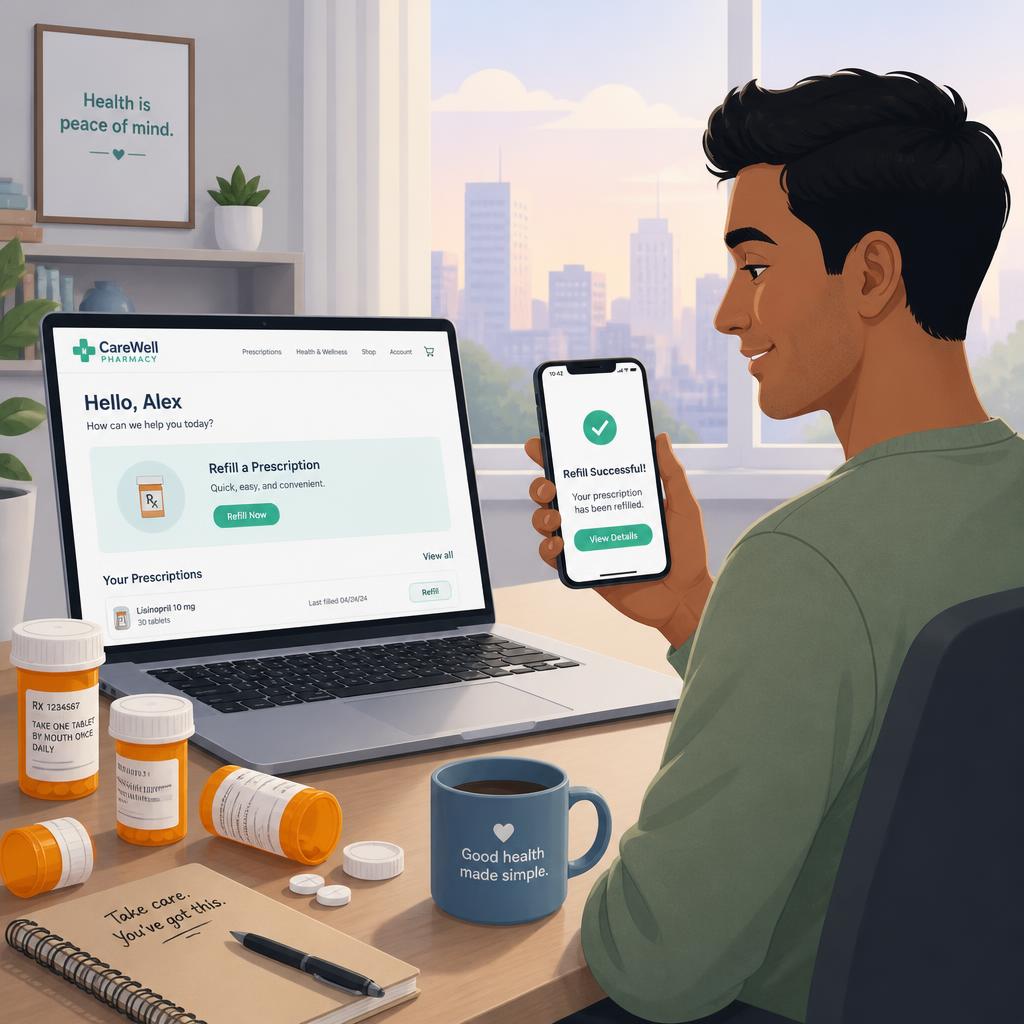
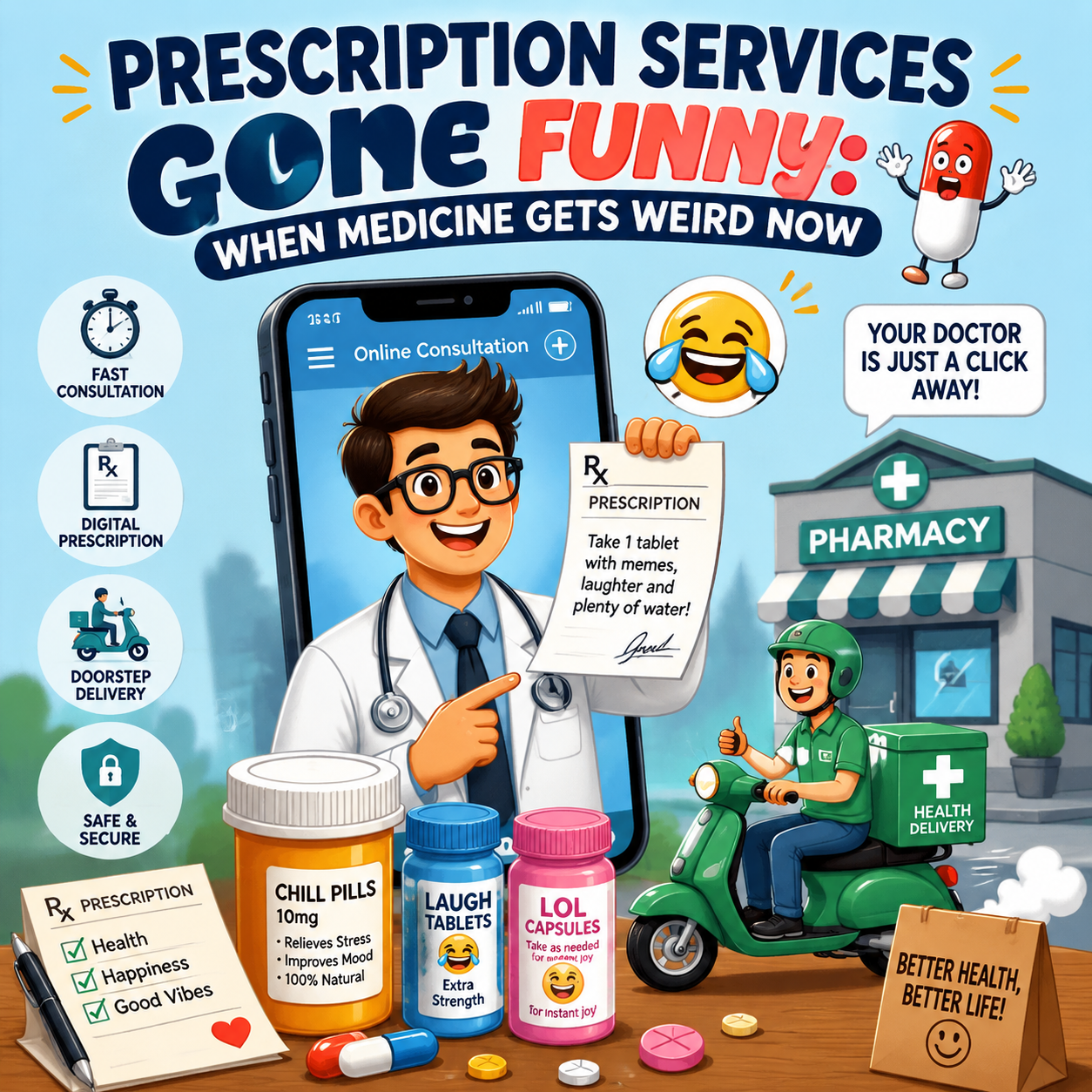
aptekamedpl – Prescription Services Gone Funny: When Medicine Gets Weird Now reflects how healthcare delivery has evolved into something surprisingly fast, digital, and sometimes even a bit quirky. What used to require long pharmacy queues and handwritten notes from doctors has now transformed into instant apps, AI-based consultations, and doorstep medication delivery that feels almost futuristic.
At its core, prescription services are designed to connect patients, doctors, and pharmacies in a smooth flow. But behind this simplicity lies a complex system involving digital health records, regulatory checks, and real-time verification processes that keep everything safe and accurate.
Understanding the Meaning of Prescription Services in Daily Life
Prescription services refer to the structured system that allows patients to obtain medications legally and safely based on a doctor’s recommendation. This system includes electronic prescriptions, pharmacy fulfillment, and sometimes telehealth consultations.
What Happens Behind the Scenes?
When a doctor issues a prescription, it doesn’t just stop at paper or screen. It travels through encrypted medical systems, is validated by pharmacists, and then prepared for patient use. This hidden workflow ensures accuracy and reduces human error.
Who Uses Prescription Services Most?
- Patients managing chronic illnesses
- Busy professionals who prefer online consultations
- Elderly individuals needing regular medication
- People in remote areas with limited clinic access
The Rise of Digital Healthcare Ecosystems
In recent years, healthcare systems have shifted heavily toward digitalization. Apps now allow users to consult doctors within minutes and receive prescriptions instantly.
Where Technology Meets Medicine
From telemedicine platforms to AI-powered diagnostic tools, the healthcare ecosystem is becoming more interconnected. This shift improves speed but also raises expectations for accuracy and data security.
Why This Shift Matters
People want convenience, but they also need trust. Digital prescription systems reduce waiting time while increasing access to medical support, especially in urban environments where time is limited.
How Prescription Services Actually Work Step by Step
The process may look simple from the outside, but it involves multiple layers of verification.
Step 1 – Medical Consultation
A doctor evaluates symptoms either in person or via a virtual consultation.
Step 2 – Digital Prescription Generation
The doctor enters medication details into a secure system.
Step 3 – Pharmacy Validation
The pharmacy checks dosage, availability, and compliance with regulations.
Step 4 – Delivery or Pickup
Patients receive medication either at home or from a nearby pharmacy outlet.
The Hidden Role of Medical Science in Prescription Systems
Behind every prescription is a foundation of pharmacology, biochemistry, and clinical research. These scientific fields ensure that medications are safe, effective, and suitable for specific conditions.
Doctors rely on updated databases that track drug interactions, allergies, and patient history before approving prescriptions. This scientific backbone makes modern prescription services more reliable than ever.
When Prescription Services Go Digital: Pros and Cons
Digital transformation has changed everything, but it comes with both advantages and challenges.
Benefits of Going Digital
- Faster access to medication
- Reduced paperwork
- Easier tracking of medical history
- Better coordination between doctors and pharmacies
Challenges to Consider
- Data privacy concerns
- Dependence on internet connectivity
- Occasional system errors
- Limited human interaction in diagnosis
The Human Side of Prescription Services
Even with advanced technology, human judgment remains essential. Doctors still play a critical role in interpreting symptoms that machines cannot fully understand.
This balance between human expertise and digital tools ensures that patients receive both emotional reassurance and scientific accuracy.
A Closer Look at Patient Experience
Patients today expect speed, clarity, and convenience. They want prescriptions delivered quickly and instructions explained in simple language.
Emotional Comfort Matters
Healthcare is not just about medicine; it’s also about trust. A friendly pharmacist or a clear digital interface can significantly improve patient confidence.
The Global Expansion of Prescription Services
Different countries are adopting prescription systems at different speeds. In developed regions, digital prescriptions are already standard. In emerging markets, hybrid systems still combine paper and digital workflows.
This global variation shows how healthcare adapts to infrastructure, culture, and regulation.
Smart Healthcare and the Future of Medication Access
Artificial intelligence and automation are shaping the next phase of healthcare delivery. Predictive systems may soon suggest medications based on lifestyle data and wearable devices.
At the same time, stricter regulations will ensure that innovation does not compromise safety.
A Key Concept in Modern Healthcare Systems
At the center of this transformation lies Prescription Services, a structured framework that ensures patients receive the right medication at the right time while maintaining medical safety standards. This system connects doctors, pharmacies, and patients into one seamless digital network that continues to evolve with technology.
Practical Tips for Using Prescription Services Wisely
To get the most out of modern healthcare systems, users should:
- Always verify doctor credentials
- Double-check medication instructions
- Store digital prescriptions securely
- Follow dosage guidelines carefully
- Use trusted pharmacy platforms
These small habits help ensure safe and effective treatment outcomes.
Prescription services have moved far beyond traditional paper slips and long pharmacy queues. They now represent a fully integrated digital ecosystem that blends science, technology, and human care. While challenges like privacy and system reliability still exist, the benefits continue to reshape how people access healthcare worldwide.
In the end, Prescription Services Gone Funny: When Medicine Gets Weird Now is more than just a quirky title—it reflects a real transformation in how modern medicine is delivered, experienced, and trusted in everyday life.