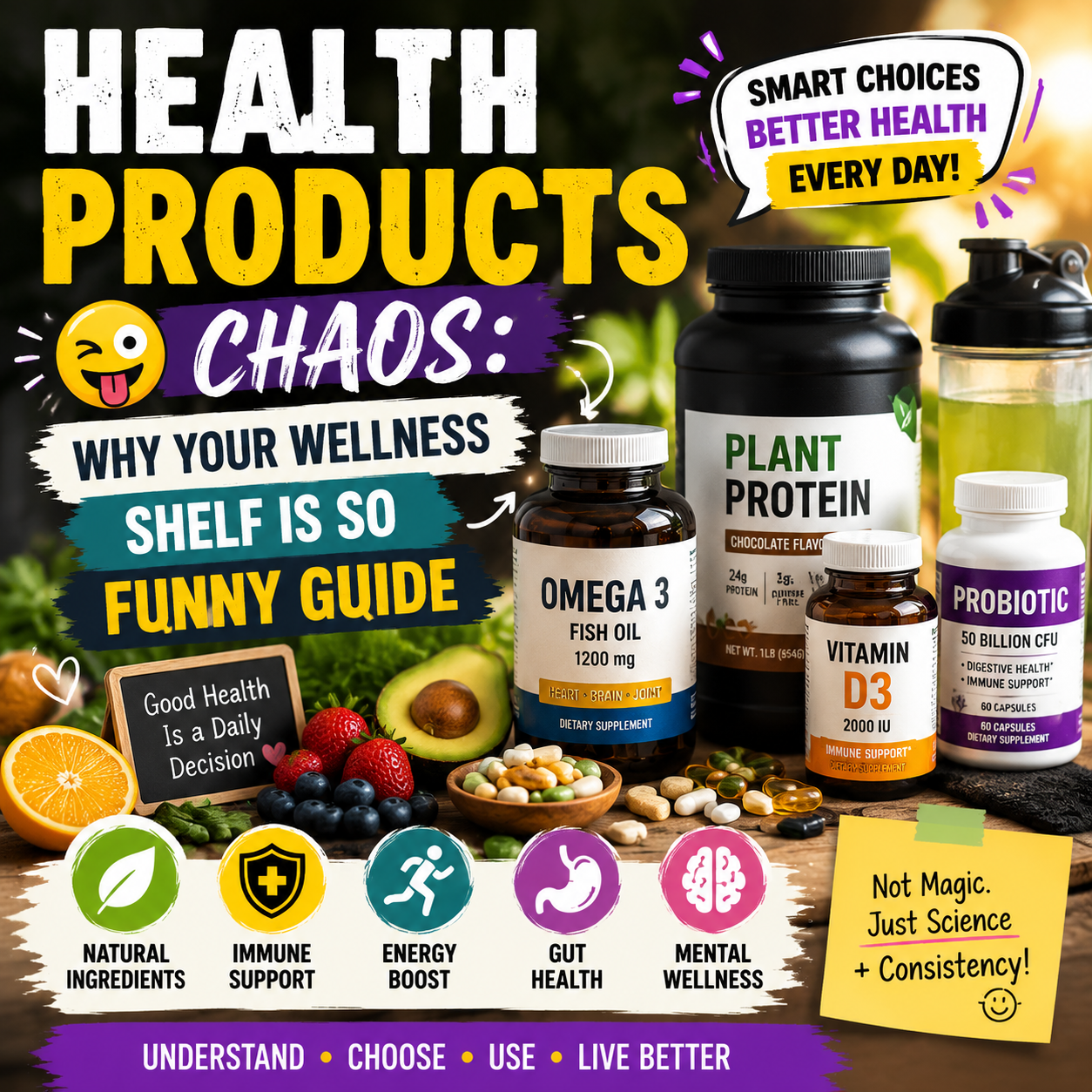
aptekamedpl – Health Products Chaos: Why Your Wellness Shelf Is So Funny Guide shows how modern wellness shopping has turned into a mix of science, hype, and everyday confusion. One minute you’re buying vitamins, the next you’re staring at 12 bottles wondering which one actually does something. This article breaks it all down in a relaxed, human way so it feels less like a lecture and more like a real conversation about what people actually use, why they use it, and how it all fits into daily life.
What Are Health Products in Modern Life?
Health products today are not just pills or supplements. They include everything from nutritional shakes to skincare formulas designed with biochemical extracts and plant-based compounds.
People use them for energy, immunity, beauty, digestion, and even sleep support. In short, they’re part of a growing lifestyle trend where wellness meets convenience.
Who Uses Health Products and Why It Matters
Different people rely on different products depending on their needs:
Busy Professionals
They often look for quick solutions like multivitamins or energy boosters to survive long workdays.
Fitness Enthusiasts
They focus on protein blends, amino acids, and recovery formulas to optimize performance.
Wellness Seekers
They prefer natural options like herbal teas, detox powders, and probiotics.
The “who” is broad because health goals vary widely, and that’s exactly why the industry keeps expanding.
Where Health Products Fit in Everyday Routine
Most people use these products at home, gyms, offices, or even while traveling. The accessibility comes from online stores, pharmacies, and wellness shops.
What’s interesting is how digital platforms have changed buying habits. Instead of asking doctors first, many users now research ingredients like magnesium glycinate or collagen peptides before purchasing.
When People Started Taking Wellness Seriously
The modern wellness boom really accelerated in the last decade. Social media, fitness influencers, and global health awareness pushed people to think more about prevention rather than treatment.
From morning supplements to nighttime recovery drinks, timing now plays a big role in how people structure their health routines.
Why Health Products Became a Global Trend
There are a few clear reasons:
- Rising stress levels in urban lifestyles
- Increased awareness of nutrition science
- Easy access to global wellness brands
- Desire for longer, healthier living
At the same time, research in nutraceutical science has made consumers more curious about ingredients and benefits.
How Health Products Actually Work in the Body
When you take any supplement, it goes through digestion and absorption processes. The body then breaks it down into usable nutrients.
For example:
- Vitamin C supports immune function
- Omega-3 fatty acids help brain and heart health
- Probiotics improve gut microbiome balance
Everything depends on consistency, dosage, and how your body responds biologically.
The Role of Scientific Formulations
Modern formulas are no longer random mixes. They are built using clinical studies, lab testing, and bioavailability research to ensure better absorption rates.
Common Misconceptions People Still Have
Many believe that more products equal better health. In reality, balance matters more than quantity.
Some also assume natural always means safe, which is not always true in pharmacological science.
Understanding the Psychology Behind Buying Health Products
At around the middle of this discussion, it becomes clear how branding influences decisions. People don’t just buy nutrients—they buy confidence, identity, and lifestyle expectations.
This is where Health Products become more than just items on a shelf. They turn into daily habits shaped by marketing, personal goals, and social influence. The decision often feels emotional rather than purely logical, especially when packaging and promises suggest quick transformation.
Marketing vs Reality in Wellness Culture
Companies often highlight “instant results” or “detox miracles,” but real biological change takes time. Human metabolism doesn’t respond instantly, and that’s where realistic expectations matter.
Simple Rule to Remember
If something sounds too fast or too perfect, it’s usually worth double-checking the science behind it.
How to Choose the Right Health Products
Choosing wisely requires a bit of awareness:
- Check ingredient transparency
- Look for clinical or scientific backing
- Avoid unnecessary duplicates in your routine
- Match products with actual health goals
The goal is not to collect products but to build a functional wellness system.
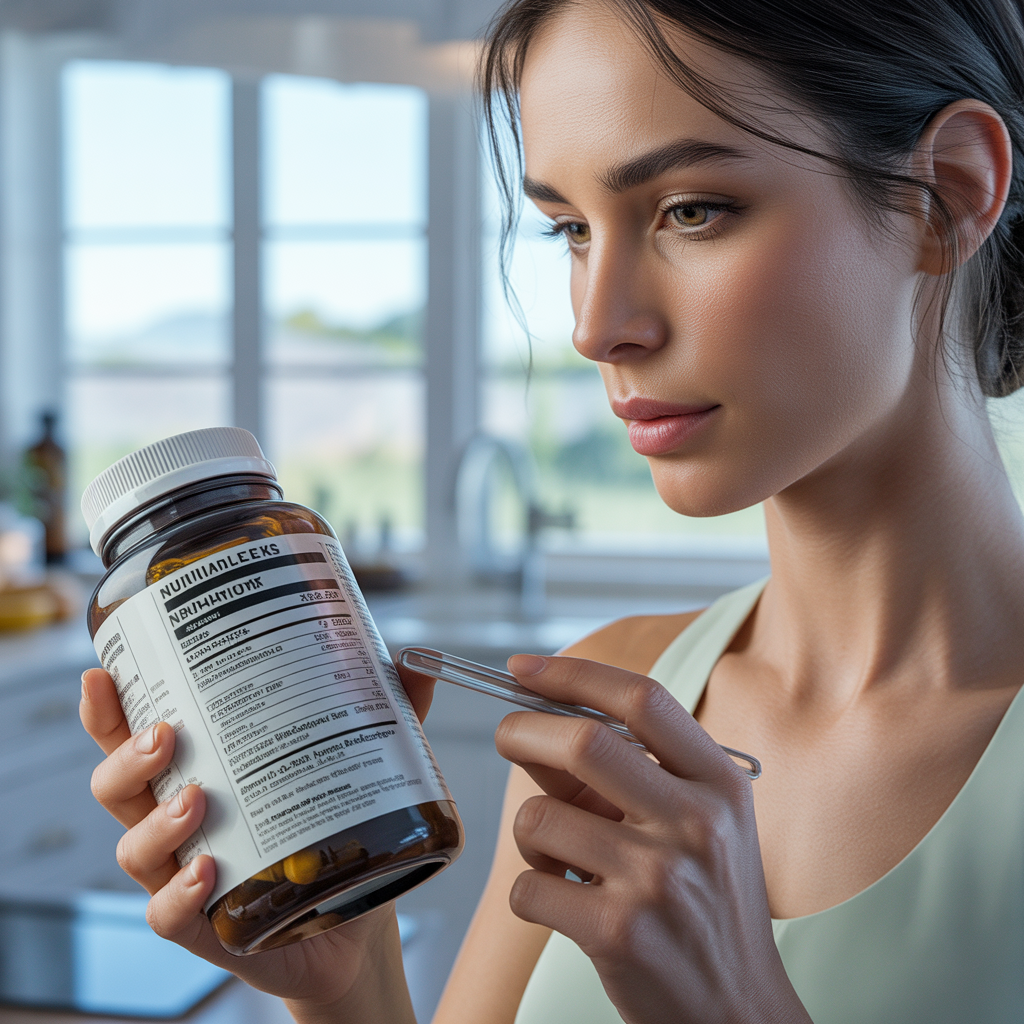
Reading Labels Like a Pro
Understanding labels helps avoid confusion. Look for active ingredients, dosage amounts, and certifications rather than flashy claims.
Personalization Is the Future
New trends in precision nutrition and DNA-based recommendations are changing how people choose supplements.
Lifestyle Integration and Daily Balance
Health products work best when combined with real lifestyle habits like:
- Balanced diet
- Regular sleep
- Physical activity
- Stress management
Without these, even the best supplements lose effectiveness.
Smart Wellness in a Modern World
The wellness industry continues to evolve with technology, AI-driven recommendations, and personalized health tracking apps. People now want smarter solutions instead of random trial-and-error buying.
Digital Tools Supporting Health Decisions
Apps can now track nutrient intake, hydration, and even predict deficiencies based on lifestyle data.
Future of Wellness Products
Expect more sustainable, plant-based, and scientifically validated formulas in the coming years.
Final Thoughts on Modern Wellness Choices
In the end, health is not about collecting bottles or chasing trends. It’s about understanding your body, making informed choices, and keeping things simple enough to sustain long-term.
The journey of modern wellness will keep evolving, but the core idea remains the same: balance, awareness, and consistency define everything behind Health Products.