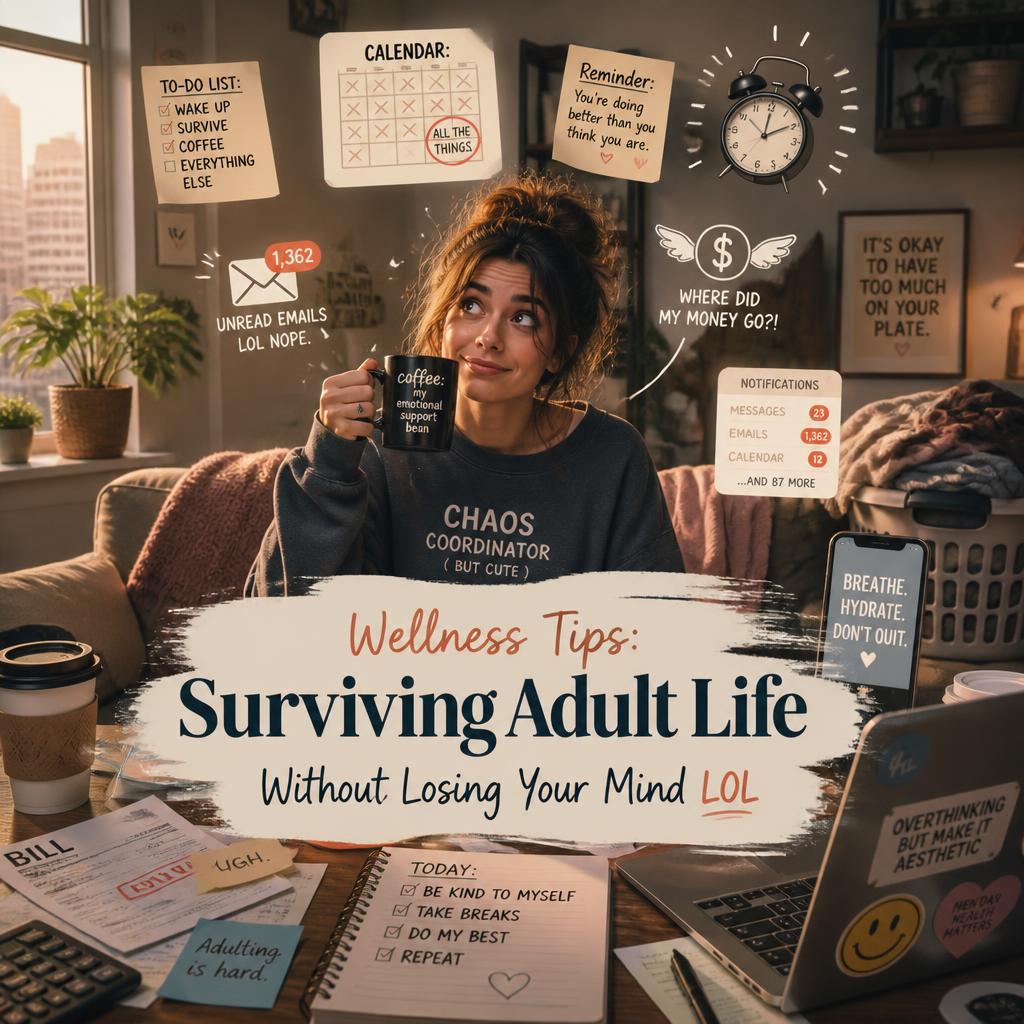
Wellness Tips: Surviving Adult Life Without Losing Your Mind LOL is more than just a funny phrase—it reflects how people today try to stay balanced while juggling work, emotions, and everyday chaos. Life moves fast, and most of us are just trying to keep up without burning out or losing our sanity along the way. – aptekamedpl
From morning alarms that feel like punishment to endless notifications demanding attention, modern life has quietly turned into a marathon. That’s why understanding wellness in a practical, human way matters more than ever.
What Are Wellness Tips in Modern Life?
Wellness today isn’t just about green smoothies or gym memberships. It’s about maintaining mental clarity, emotional stability, and physical energy in a world that rarely slows down.
People often misunderstand wellness as perfection, but in reality it is about balance. Small habits often matter more than big dramatic changes.
Why People Struggle to Stay Balanced
Many people feel overwhelmed not because they are weak, but because the environment demands too much at once.
Common reasons include:
- Information overload from social media
- Work pressure and deadlines
- Lack of rest and sleep quality
- Emotional stress from personal relationships
Modern psychology suggests that chronic stress can impact the cortisol regulation system, which affects mood, sleep, and even decision-making.
Who Actually Needs Wellness Support?
The short answer: everyone.
But especially:
- Office workers stuck in long screen hours
- Students dealing with academic pressure
- Parents balancing family and personal needs
- Freelancers managing unstable routines
Wellness is not a luxury—it’s a survival toolkit for everyday living.
The Science Behind Wellness and Human Behavior
Human behavior is deeply connected to biology. The brain releases dopamine when we achieve small rewards, which is why even tiny accomplishments feel satisfying.
In neuroscience, neuroplasticity explains how habits can reshape the brain over time. This means even simple routines like walking daily or journaling can gradually rewire stress responses into calmer patterns.
Emotional Hygiene: The Forgotten Habit
Just like we clean our bodies, emotional hygiene is about cleaning mental clutter.
Simple Emotional Practices:
- Writing thoughts down before bed
- Taking short breaks from digital screens
- Talking to someone you trust
Why It Matters:
Without emotional maintenance, stress accumulates silently until it feels overwhelming.
Physical Habits That Influence Mental Energy
The body and mind are not separate systems. What affects one will eventually affect the other.
Key Physical Habits:
- Drinking enough water throughout the day
- Maintaining consistent sleep schedules
- Light exercise like walking or stretching
Even 15–20 minutes of movement can improve blood circulation and boost mood-related hormones like serotonin.
Digital Overload and the Attention Crisis
We live in an era where attention is constantly being pulled in multiple directions.
Notifications, emails, and endless scrolling reduce focus capacity over time. This condition is often referred to as attention fragmentation, where the brain struggles to stay deeply focused on one task.
Reducing screen exposure before bedtime can significantly improve sleep quality and mental clarity.
Building Sustainable Daily Routines
Consistency is more powerful than intensity. A simple routine is easier to maintain than a complicated one.
Example of a Balanced Routine:
- Morning: hydration + light movement
- Afternoon: focused work sessions with breaks
- Evening: relaxation and reduced screen time
The goal is not perfection but sustainability.
Mindset Shifts That Improve Daily Wellness
One of the most important changes is mental perspective.
Instead of thinking:
“I must do everything perfectly”
Try:
“I will do what I can today”
This shift reduces internal pressure and improves emotional resilience over time.
Practical Lifestyle Reset (Simple but Effective)
Here is where things become practical. If life feels messy, small resets help restore control.
One powerful habit is learning how to pause before reacting emotionally or physically. At this point in life improvement, many people start applying Wellness Tips naturally in their routines without even realizing it. This includes breathing intentionally before responding, stepping away from stress triggers, and prioritizing rest over constant productivity.
How Social Environment Impacts Wellness
People you interact with can influence your mental state significantly. Positive environments encourage growth, while negative ones can drain energy.
Even online communities can shape emotional patterns, depending on the type of content consumed daily.
The Role of Rest and Recovery
Rest is not laziness—it is biological maintenance.
During rest:
- The brain processes emotional experiences
- The body repairs physical fatigue
- Memory consolidation improves
Without proper rest, productivity actually decreases despite longer working hours.
Practical Micro Habits for Daily Stability
Small habits create long-term stability when practiced consistently.
Examples include:
- 2-minute breathing breaks
- Short walks after meals
- Writing 3 things you’re grateful for
These actions may seem small, but they build emotional resilience over time.
When Life Feels Too Heavy
Everyone experiences moments of overload. During those times, slowing down is more effective than pushing harder.
Acceptance of temporary discomfort is often the first step toward recovery.
Living Better With Simple Awareness
Wellness is not about escaping life’s pressure but learning how to move through it with awareness, balance, and small consistent habits. When people understand their limits and take care of both mind and body, life becomes more manageable and less overwhelming.
In the end, Wellness Tips: Surviving Adult Life Without Losing Your Mind LOL is a reminder that even in chaos, small steps can create a calmer, healthier, and more grounded way of living.